
Quick answer: A shirt can cost anywhere from about $5 to $40+ to manufacture depending on fabric, construction, order quantity, labeling, packaging, and production location. Basic t-shirts sit at the lower end, while premium button-downs, technical fabrics, and private label details increase the final per-unit cost.
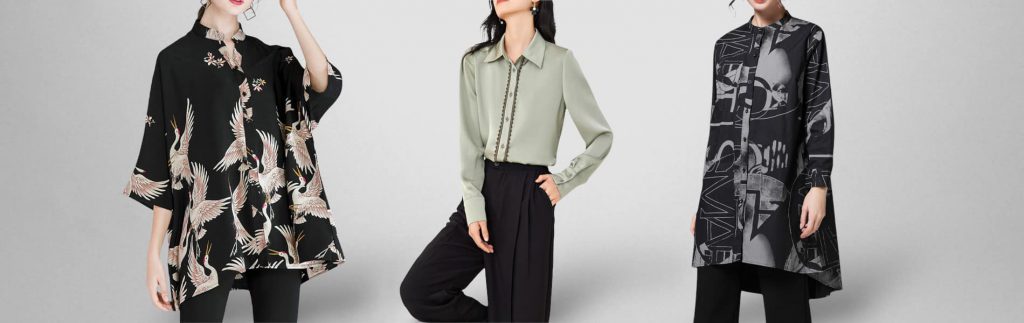
If you’re planning to launch a clothing line or expand your fashion business, understanding production costs is crucial. The question “how much does it cost to make a shirt?” doesn’t have a simple answer, but breaking down each component can help you budget effectively and price your products competitively.
Understanding the Basic Cost Components
The total cost of manufacturing a shirt involves multiple factors that work together to determine your final production expense. Whether you’re creating basic t-shirts or premium button-downs, knowing these elements helps you make informed decisions about your product line.
Material costs typically represent 30-40% of the total production cost. Fabric selection dramatically impacts your bottom line, ranging from $2-3 per yard for basic cotton to $15-20 per yard for premium materials like Egyptian cotton or silk blends. A standard t-shirt requires approximately 1.5-2 yards of fabric, while a dress shirt may need 2-3 yards depending on the size and style.
Labor costs vary significantly based on manufacturing location. Domestic production in the United States can cost $8-15 per shirt for labor alone, while overseas manufacturing in countries like Bangladesh, Vietnam, or China might range from $1.50-5 per shirt. However, these numbers don’t tell the complete story, as you must factor in shipping, import duties, and quality control when working with international suppliers.
Detailed Cost Breakdown by Shirt Type
| Shirt Type | Material Cost | Labor Cost | Total Production Cost |
| Basic T-Shirt | $3-5 | $2-4 | $5-9 |
| Premium T-Shirt | $6-10 | $3-6 | $9-16 |
| Casual Button-Down | $8-15 | $5-10 | $13-25 |
| Dress Shirt | $12-25 | $8-15 | $20-40 |
These figures represent average costs for mid-volume production runs of 500-1,000 units. Smaller batches will increase your per-unit cost, while larger orders can significantly reduce expenses through economies of scale.
Hidden Costs You Can’t Ignore
Beyond fabric and labor, several additional expenses affect your total manufacturing cost. Design and pattern-making costs range from $200-800 per style, though this one-time expense gets distributed across your production run. Quality control and testing add another Quality control and testing add another $0.50-2 per shirt.50-2 per shirt, ensuring your products meet standards and reduce return rates.
Packaging and labeling costs typically run Packaging and labeling costs typically run $0.75-2.50 per shirt.75-2.50 per shirt depending on your brand positioning. Budget-friendly brands might use simple poly bags, while premium labels invest in custom boxes, tissue paper, and branded hangers. Shipping and logistics can add $1-5 per shirt for international production, including freight, customs, and domestic distribution.
Minimum order quantities also impact your cost structure. Most manufacturers require MOQs of 300-1,000 pieces per style and color, which means you’ll need substantial upfront capital even if your per-unit costs are favorable.
Factors That Impact Your Production Costs
Several variables influence how much you’ll ultimately pay to manufacture shirts:
Fabric choice and quality: Organic cotton costs 20-30% more than conventional cotton, while technical fabrics like moisture-wicking polyester blends can add 40-60% to material costs. Sustainable materials like Tencel or recycled fibers typically command premium prices but appeal to eco-conscious consumers willing to pay more.
Order volume: Producing 100 shirts versus 10,000 shirts dramatically changes your per-unit cost. Larger orders leverage bulk fabric pricing, more efficient production runs, and reduced setup costs. A 1,000-piece order might cost $12 per shirt, while a 100-piece run of the same design could cost $22 per shirt.
Design complexity: Simple designs with minimal seams and no embellishments cost less to produce than shirts featuring custom prints, embroidery, special stitching, or unique construction details. Adding a chest pocket increases labor time, while all-over prints require more expensive printing processes.
Manufacturing location: Beyond basic labor costs, location affects lead times, communication ease, quality consistency, and ethical considerations. Domestic production offers faster turnaround and easier oversight but higher costs, while overseas manufacturing provides cost savings but requires more complex logistics.
Smart Strategies to Reduce Production Costs
Working with experienced wholesale suppliers like Fashion Atlas Group helps you navigate cost challenges effectively. Wholesale partners provide access to established manufacturing relationships, negotiated fabric prices, and production expertise that individual brands struggle to match.
Starting with stock fabrics rather than custom-dyed materials can save 15-25% on fabric costs while still delivering quality products. Many suppliers maintain excellent fabric libraries that serve diverse style needs without custom production minimums.
Optimizing your designs for manufacturing efficiency reduces labor costs without sacrificing style. Simple construction changes, standardized sizing, and strategic design choices can shave seconds off production time per garment, translating to significant savings across large production runs.
Planning production timelines to avoid rush orders prevents premium charges. Standard production typically takes 30-60 days, while expedited manufacturing can double your costs. Strategic planning and seasonal forecasting help you avoid costly last-minute orders.
Calculating Your Retail Price
Understanding production costs is just the first step in pricing strategy. The industry standard keystone markup doubles your manufacturing cost to establish wholesale pricing, then doubles again for retail. A shirt costing $10 to produce typically wholesales for $20 and retails for $40-50.
However, market positioning, brand value, and competitive landscape all influence final pricing. Premium brands command higher markups based on perceived value, while fast-fashion brands operate on thinner margins with higher volume.
| Production Cost | Wholesale Price | Retail Price | Profit Margin |
| $8 | $16 | $32-35 | 50-60% |
| $15 | $30 | $60-70 | 55-65% |
| $25 | $50 | $100-120 | 60-70% |
Remember that retail prices must cover not just production costs but also overhead, marketing, returns, and profit margins. Successful brands balance competitive pricing with sustainable profitability.
Working with the Right Manufacturing Partner
Choosing the right supplier dramatically impacts your production costs and product quality. Experienced wholesale clothing suppliers bring valuable advantages: established factory relationships that secure better pricing, quality control systems that reduce defects and returns, flexible MOQs that accommodate growing brands, and technical expertise in fabrics, construction, and production planning.
At Fashion Atlas Group, we understand that cost is just one factor in successful clothing production. Quality, reliability, and partnership matter equally. Our global manufacturing network provides competitive pricing without compromising the standards your brand needs to succeed.
Ready to Start Your Production Journey?
Understanding how much it costs to make a shirt is essential, but navigating the actual production process requires expertise and established relationships. Whether you’re launching your first collection or scaling an existing brand, the right manufacturing partner makes all the difference.
Contact Fashion Atlas Group today to discuss your project. Our team will help you understand the specific costs for your designs, recommend strategies to optimize your budget, and connect you with the perfect manufacturing solution for your needs. Let’s turn your clothing line vision into reality with transparent pricing and exceptional quality.
Get started now with a free consultation and discover how we can help you produce high-quality shirts at competitive costs.
FAQ
What is the average cost to make a shirt?
Most basic shirts cost around $5-16 to manufacture, while premium button-downs or dress shirts may cost $20-40 or more. The final price depends on fabric, construction, order quantity, trims, branding, packaging, and production location.
Why do shirt production costs vary so much?
Costs change because not all shirts are built the same. A basic cotton tee is much simpler than a structured dress shirt with buttons, collars, plackets, labels, packaging, and stricter quality requirements.
How does MOQ affect shirt pricing?
Lower quantities usually increase the cost per shirt because setup, sampling, fabric sourcing, and factory time are spread across fewer units. Larger orders usually unlock better fabric pricing and more efficient production.
What extra costs should brands plan for?
Beyond sewing, brands should budget for samples, pattern work, tech packs, labels, tags, packaging, quality control, freight, duties, and possible revisions before bulk production.
Can shirts be produced with private labels?
Yes. Shirts can be produced with woven labels, printed neck labels, hang tags, packaging, embroidery, screen printing, and other brand details depending on the order structure.
How can I reduce shirt production cost without hurting quality?
The best approach is to simplify construction, use reliable stock fabrics, avoid unnecessary trims, plan ahead, and work with suppliers who can balance cost, quality, and MOQ requirements.
Still have questions?
If you need help with materials, sourcing, MOQ, packaging, or production, don’t hesitate to book a short call with Fashion Atlas Group. We’ll help you understand the best next step for your product.