Custom Restaurant Uniforms for Kitchen and Front-of-House Teams
A restaurant’s kitchen and dining room place very different demands on staff clothing. Chef jackets need to allow movement during food preparation, while aprons should provide practical coverage without restricting everyday tasks. For servers, hosts, and baristas, the priorities may shift toward a neat appearance, comfortable fit, and clothing that reflects the atmosphere of the establishment.
Custom restaurant uniforms make it possible to address these needs within one coordinated collection. A casual café may prefer simple aprons and relaxed shirts, while a fine-dining restaurant might require more structured garments, subtle branding, and carefully matched colors. Restaurants with open kitchens also need to consider how kitchen and service uniforms look together from a guest’s perspective.
Fashion Atlas Group helps develop restaurant staff apparel based on the intended role, design references, and practical requirements of each garment. This may involve adjusting existing styles, developing custom patterns, or coordinating several uniform pieces into a consistent collection.
Chef Coats, Aprons, and Restaurant Staff Apparel
Chef coats, kitchen jackets, aprons, server shirts, and other hospitality garments each require different decisions during product development. The placement of pockets, sleeve length, closures, and garment proportions can affect how comfortably an employee works throughout a shift.
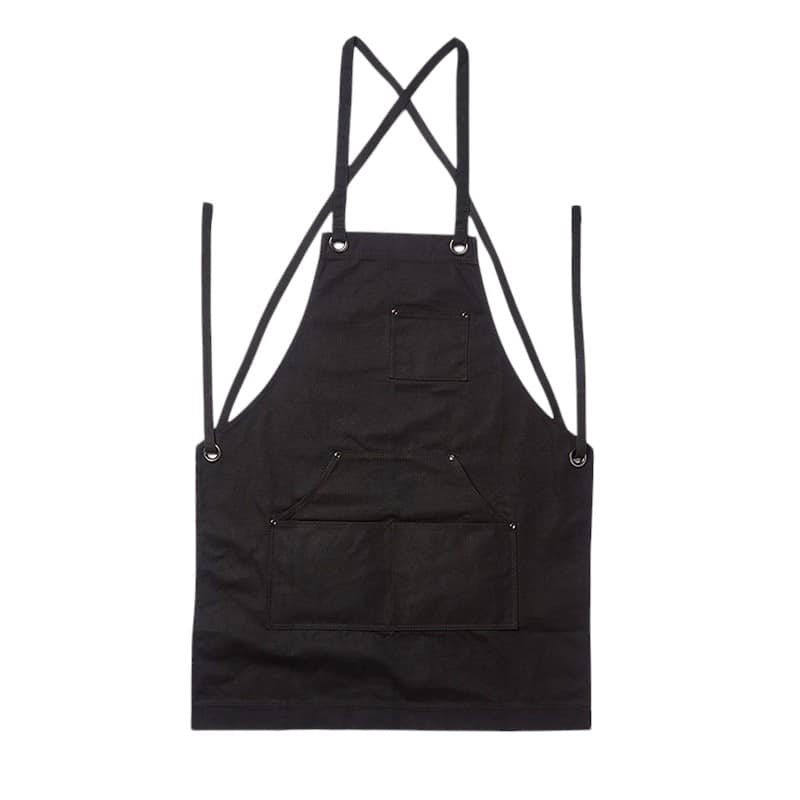
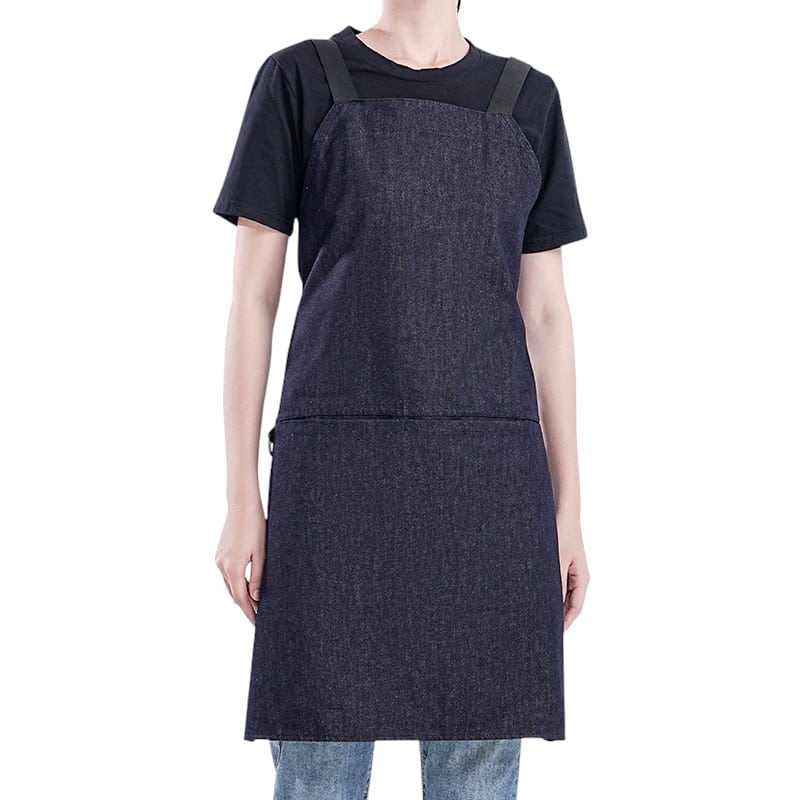
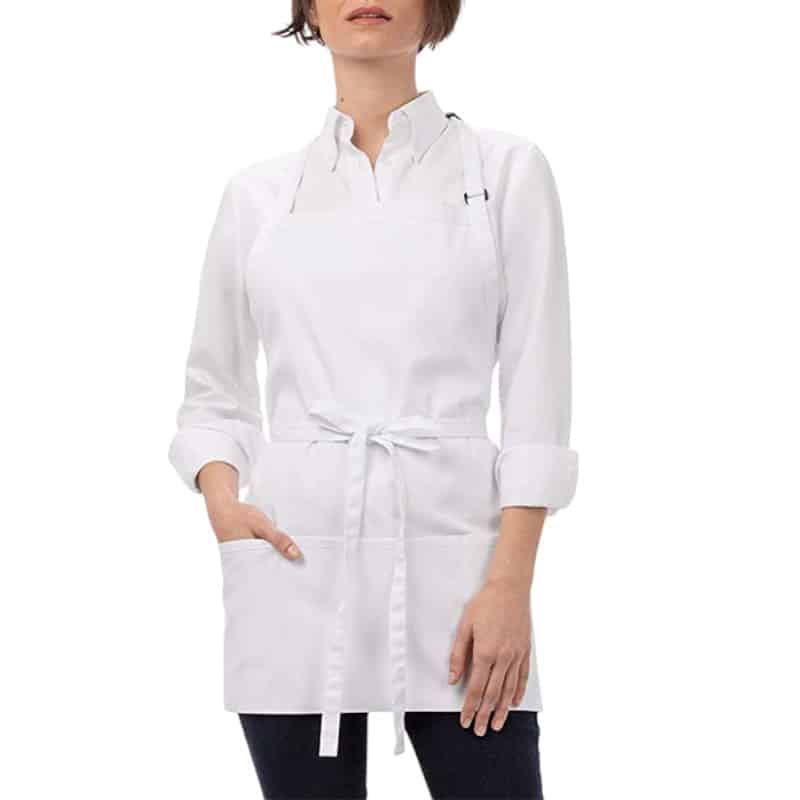
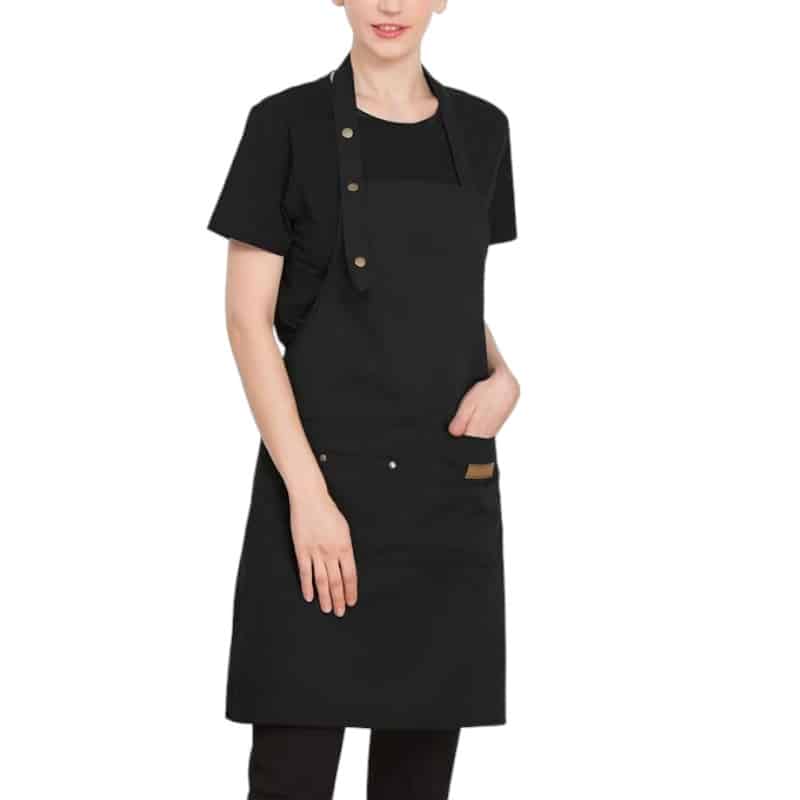
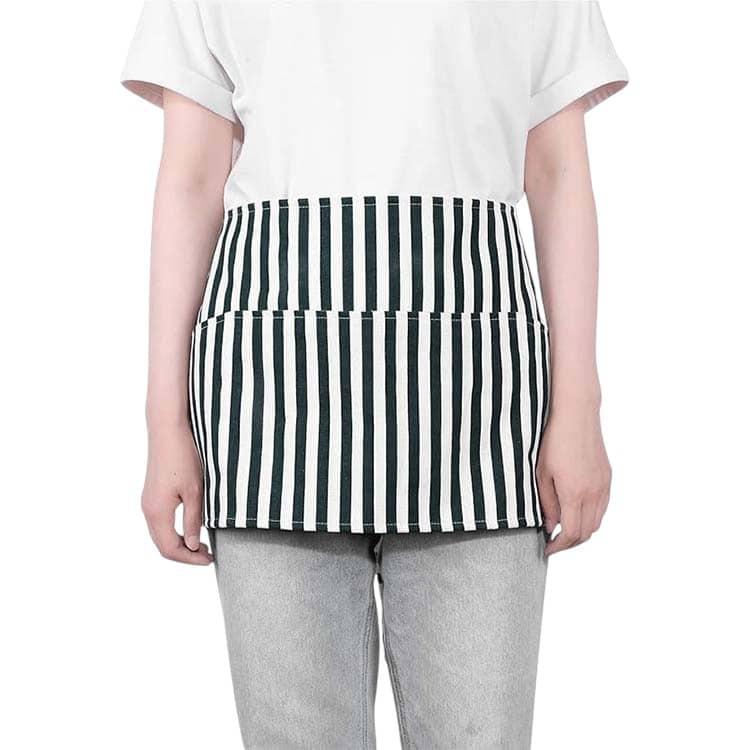
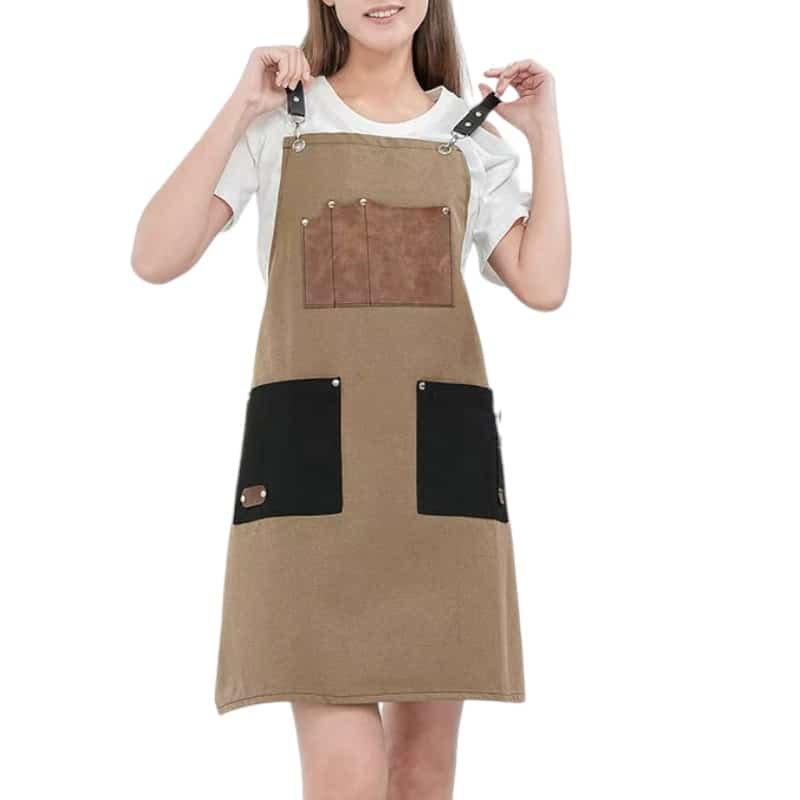
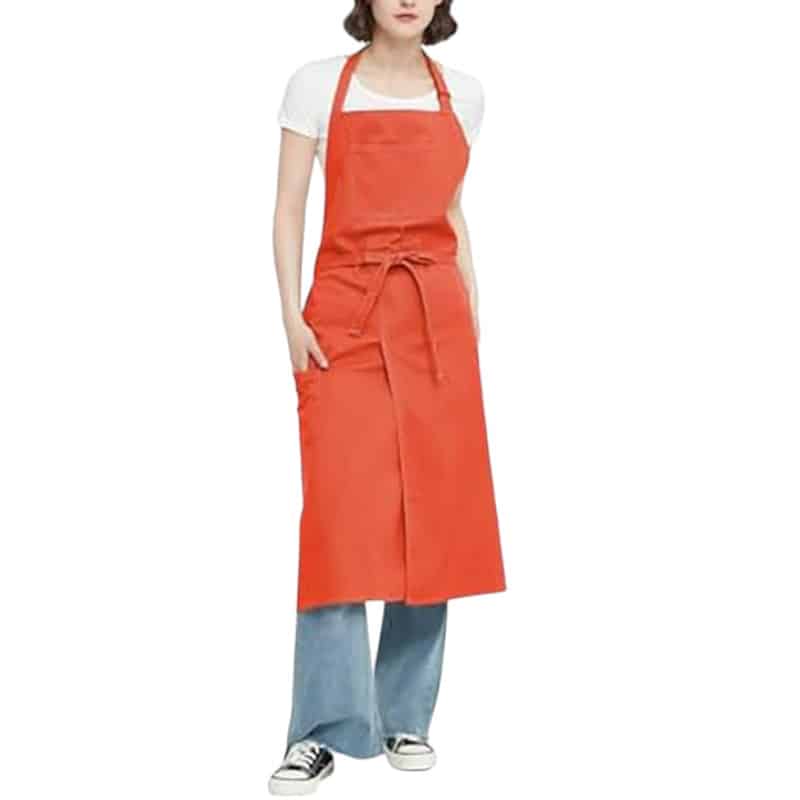
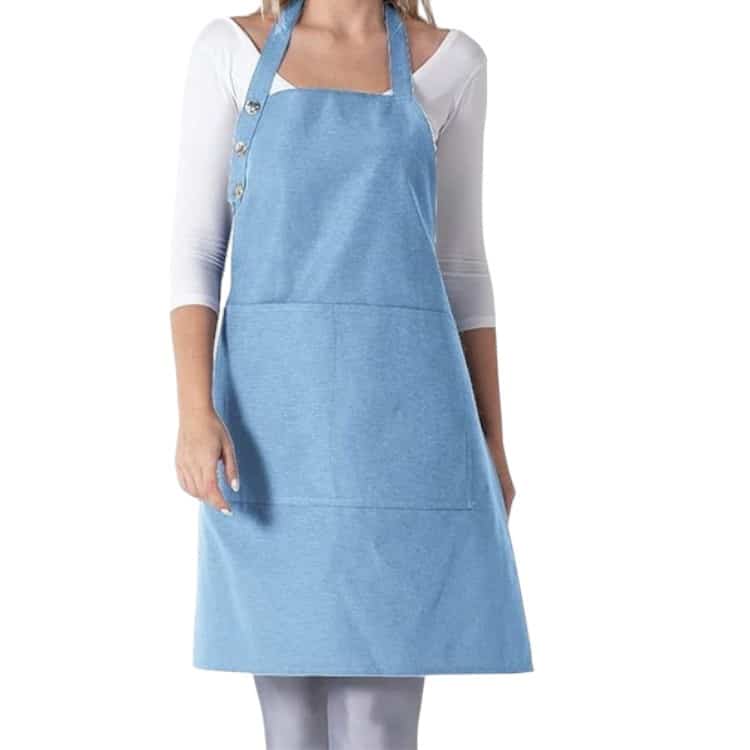
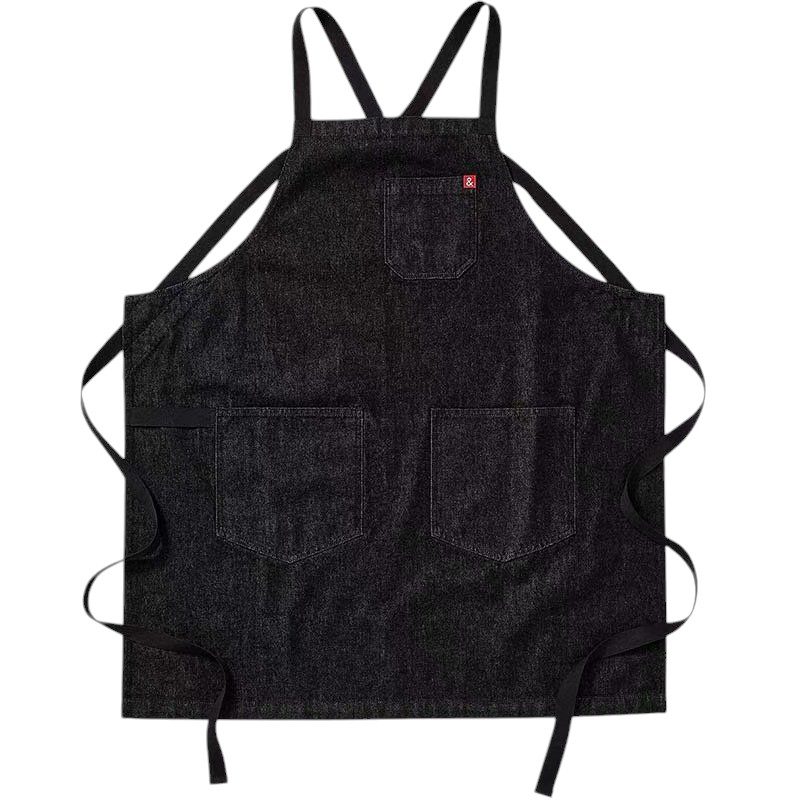
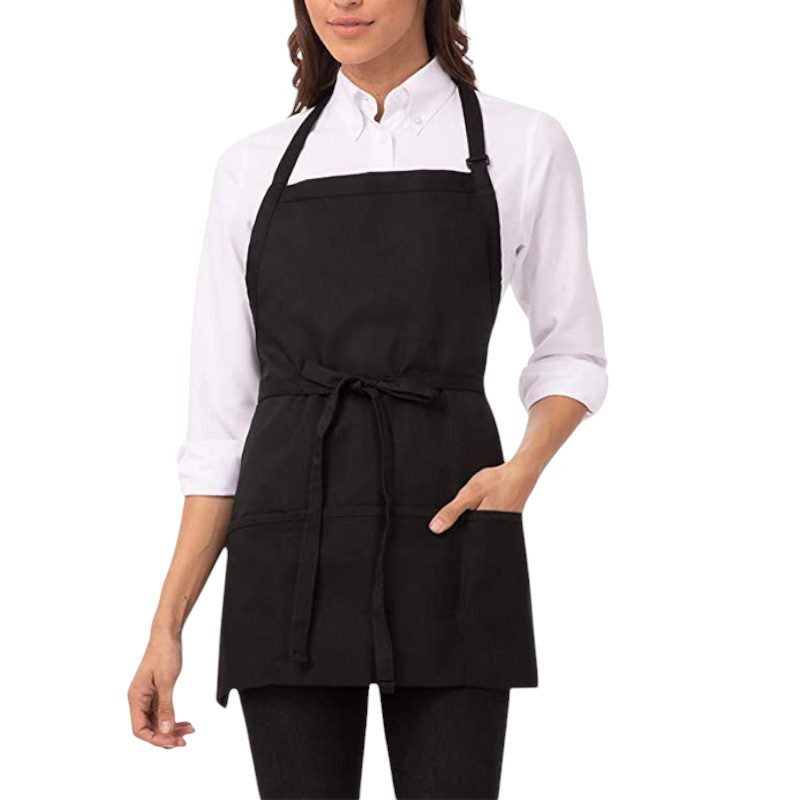
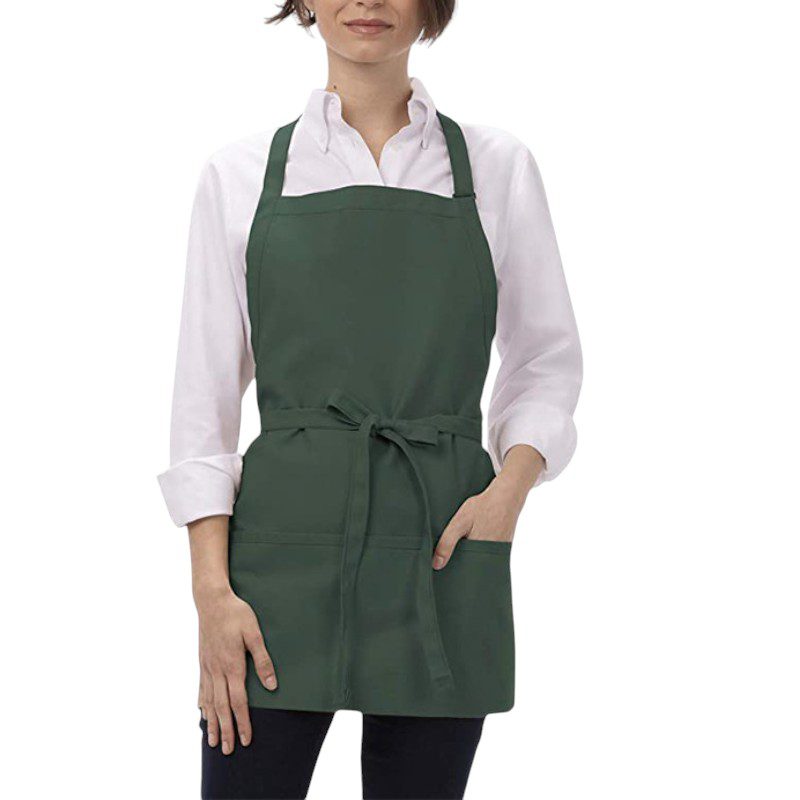
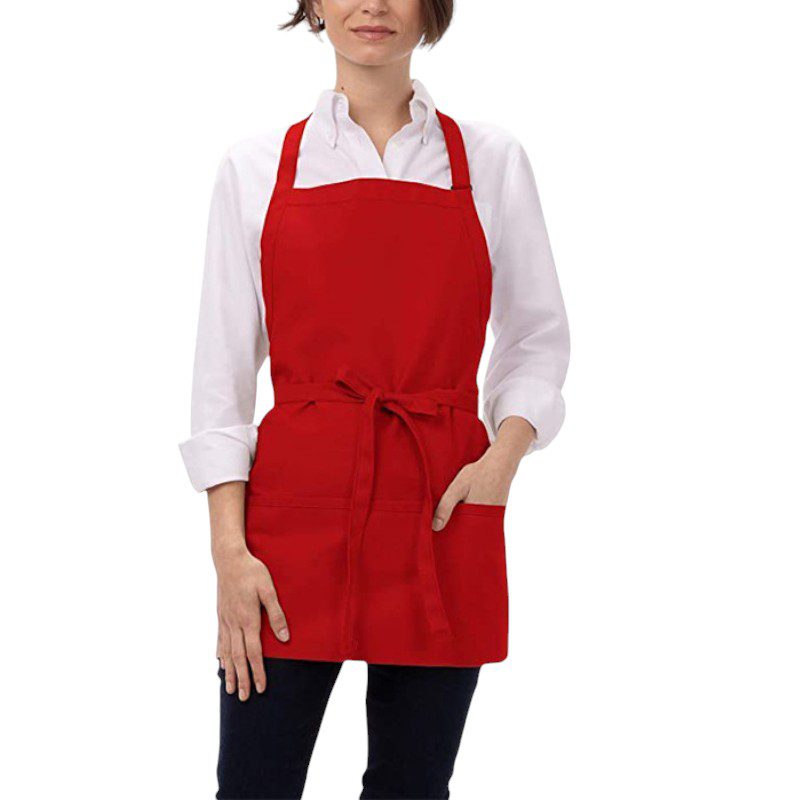
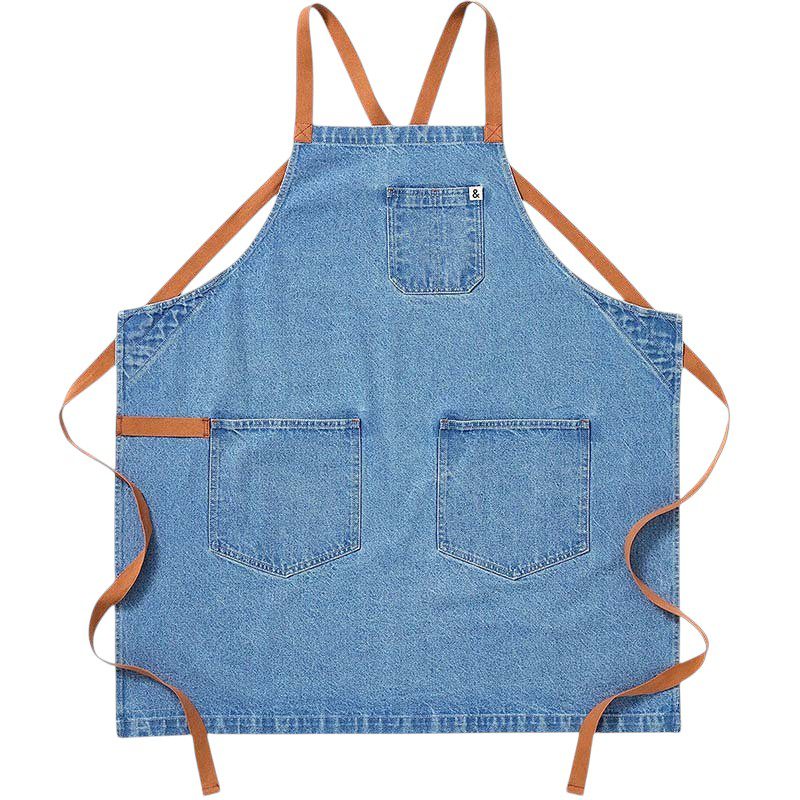
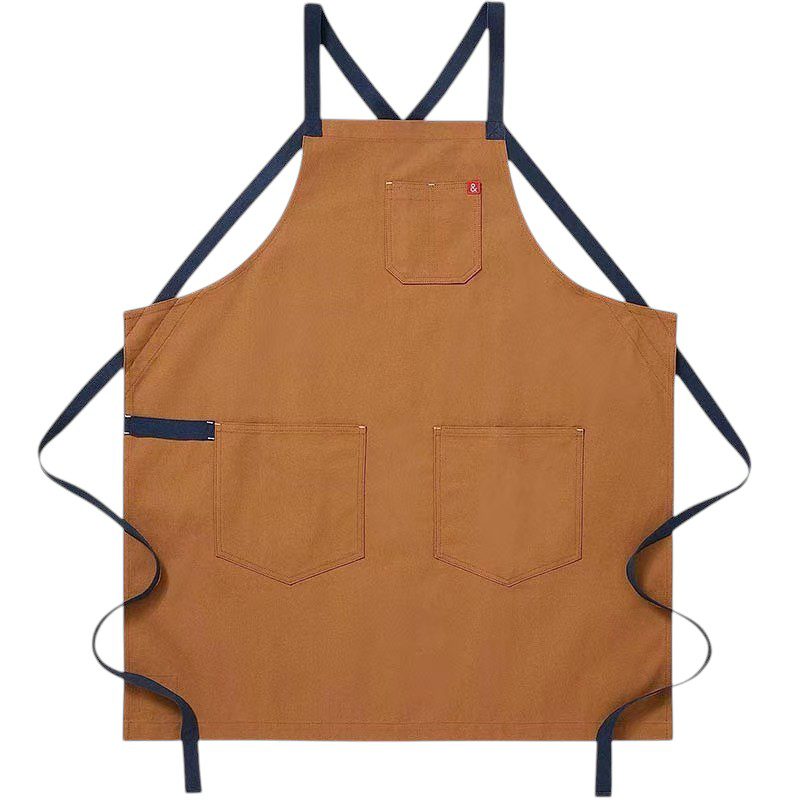
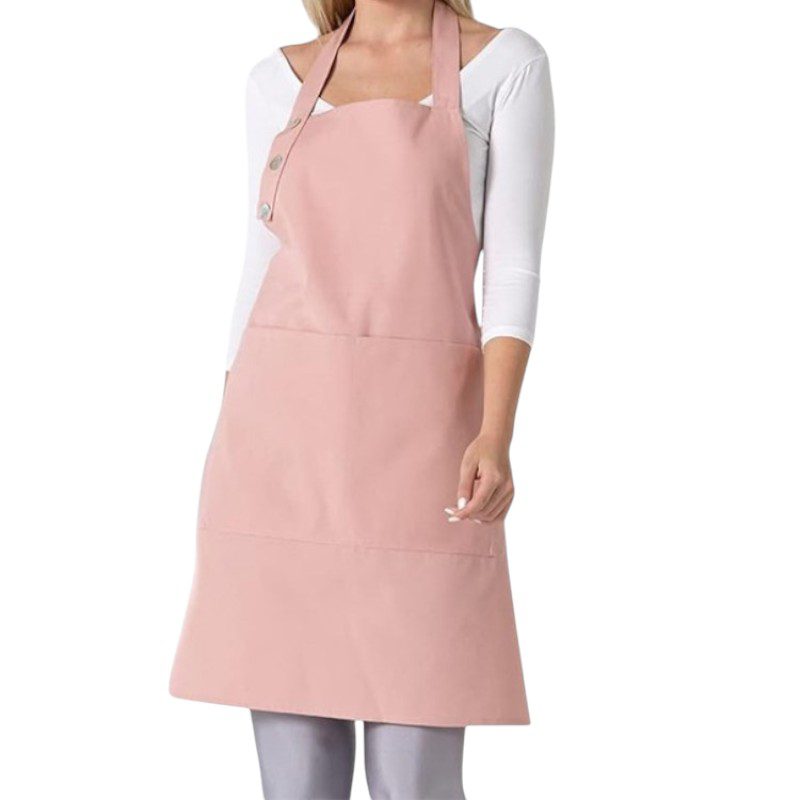
For aprons, clients may consider adjustable neck straps, waist ties, pocket configurations, and different lengths for kitchen or front-of-house use. Custom chef coats may require specific collar styles, sleeve finishes, or fastening details. Server uniforms can be developed around the restaurant’s preferred silhouette, from relaxed casual styles to more formal shirts and coordinated separates.
When several garment types belong to the same collection, details such as fabric colors, embroidery placement, and sizing standards should be planned together. This is particularly useful for restaurant groups that want a recognizable uniform appearance across different staff positions.
Fabrics, Fit, and Branding for Restaurant Uniforms
Fabric selection affects the appearance, comfort, care requirements, and durability of restaurant workwear. Through fabric sourcing, clients can explore cotton, cotton blends, polyester blends, and other materials based on the garment’s intended use and care requirements. The right choice depends on the garment, working conditions, desired appearance, and available materials.
Fit also deserves attention. Employees spend long hours standing, reaching, bending, and moving between workstations. Garment measurements, ease of movement, and size consistency should therefore be evaluated during sampling rather than treated as minor details after production begins.
Branding can be incorporated through embroidered or printed logos, custom labels, selected colors, and other design elements. For a restaurant chain, keeping logo placement and garment specifications consistent can be especially important when ordering uniforms for multiple locations or replacing individual pieces later.
Wholesale Restaurant Uniforms and Repeat Orders
Wholesale restaurant uniforms require planning beyond the first production run. A business ordering staff apparel for a new opening may need several sizes and different garment styles, while an established restaurant group may be focused on replacing worn uniforms or maintaining consistent stock across locations.
Order quantities, fabric availability, size breakdowns, and customization requirements all influence production planning. When the same uniform will be reordered, retaining approved specifications and sample references can help reduce differences between production batches.
Fashion Atlas Group works with clients to review garment details, sourcing options, sampling requirements, and manufacturing quantities before production. Whether the project involves a custom apron design or a coordinated collection of restaurant uniforms, the goal is to establish clear specifications that can support both the initial order and future production needs.
Working With a Custom Restaurant Uniform Manufacturer
When choosing a restaurant uniform supplier, purchasing teams may start with existing uniforms, reference photographs, sketches, or specific garment requirements rather than a complete technical package.
Fashion Atlas Group can use these materials as a starting point for product development. Rather than offering a fixed selection of ready-made uniforms, we help clients develop garments around their own designs, fabric preferences, sizing requirements, and branding specifications. Our team coordinates fabric sourcing, sample preparation, and manufacturing based on the agreed specifications. Samples allow clients to assess garment proportions, construction, materials, and logo placement before approving production.
If you are planning uniforms for a restaurant opening, updating an existing staff collection, or sourcing apparel for multiple locations, share your garment references, estimated quantities, and customization requirements with our team. We can review the project and prepare a quotation based on its specific needs.