From a Test Run to 500 Units

Refining a Proven Denim Design for a Larger Repeat Order

Get a Free Estimate
For Your Custom Apparel NO MOQ, FULL FLEXIBILITY
Get a Quote
Progress Information
Step 1. Reviewing the First Run and Planning for Scale

The initial run of 100 denim shorts gave the client an opportunity to evaluate the product under real-world conditions. When the time came to scale the design, the goal was not simply to reproduce the original version.

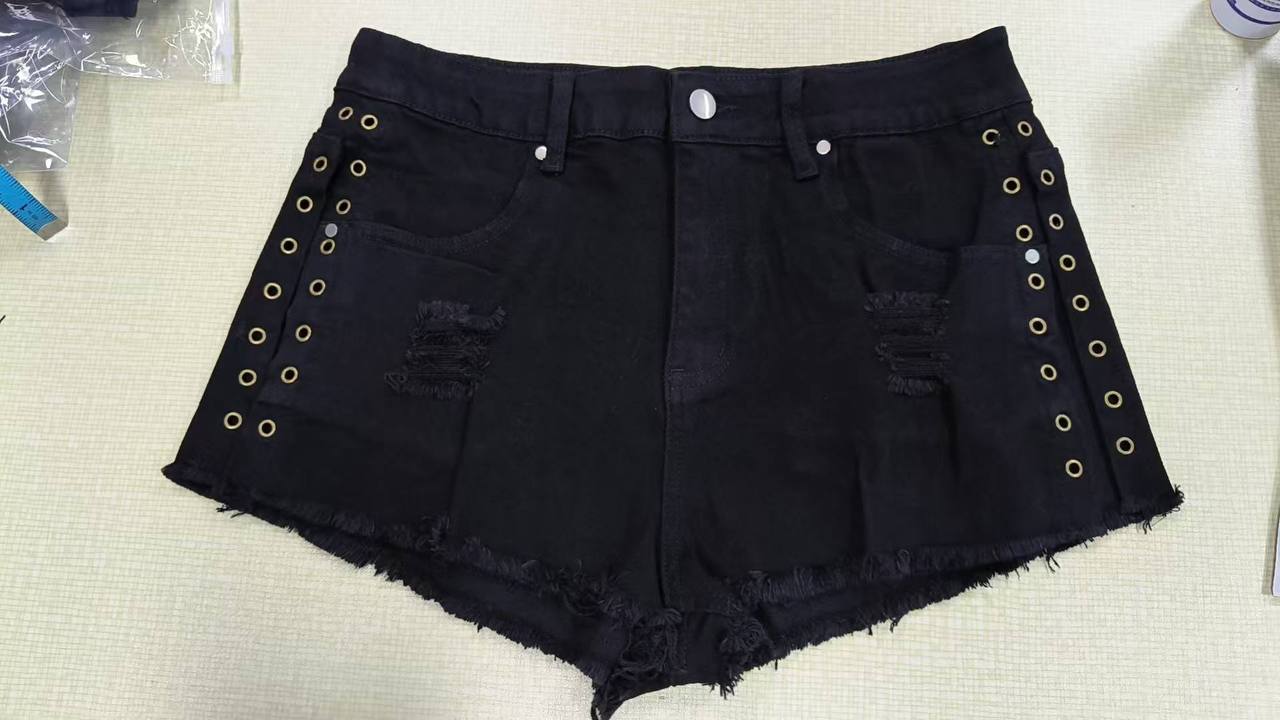
Feedback from wear and wash testing highlighted several areas for improvement. The fabric needed greater dimensional stability, the raw edges required better control, and the decorative eyelets needed more precise positioning.
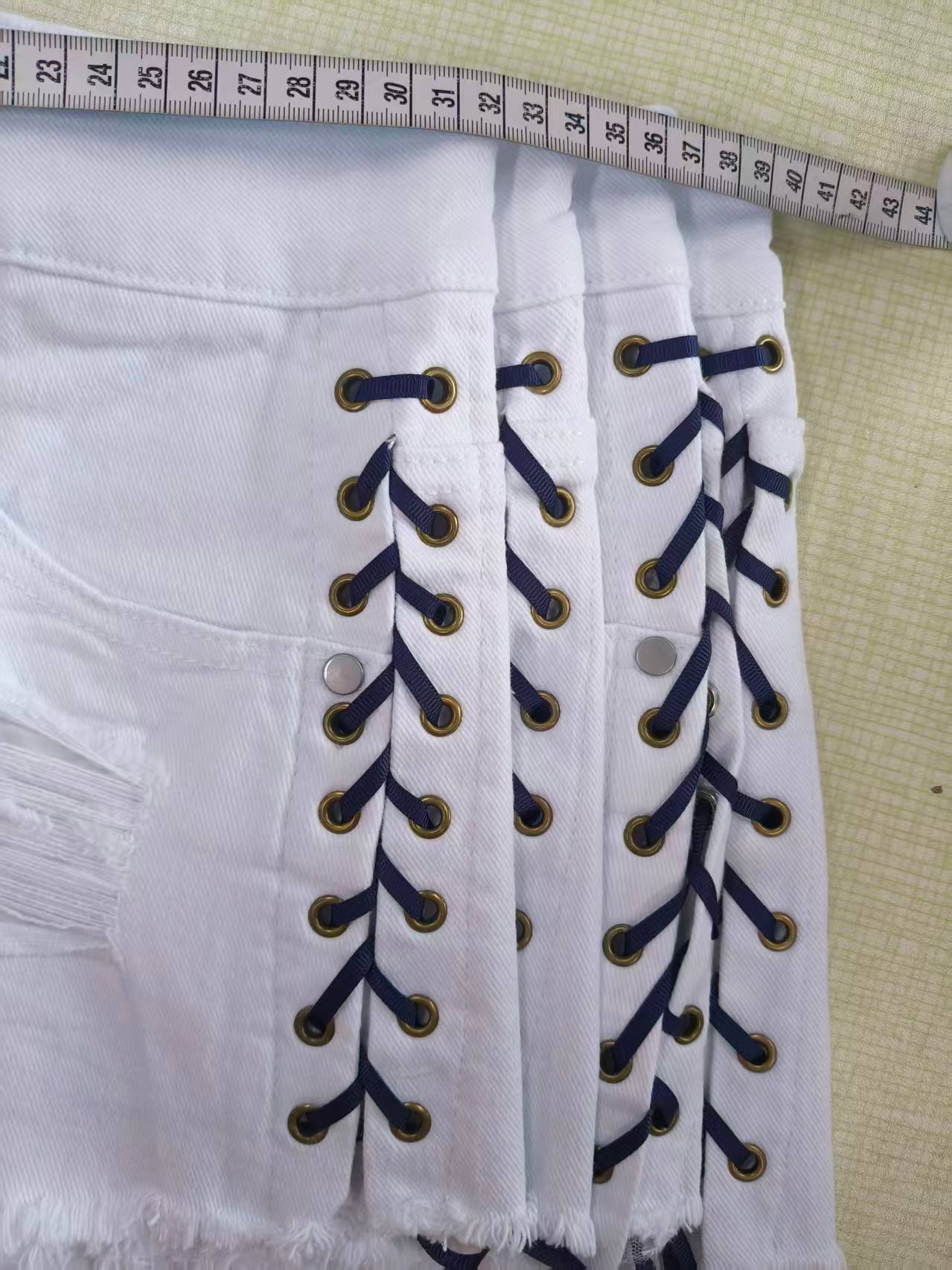
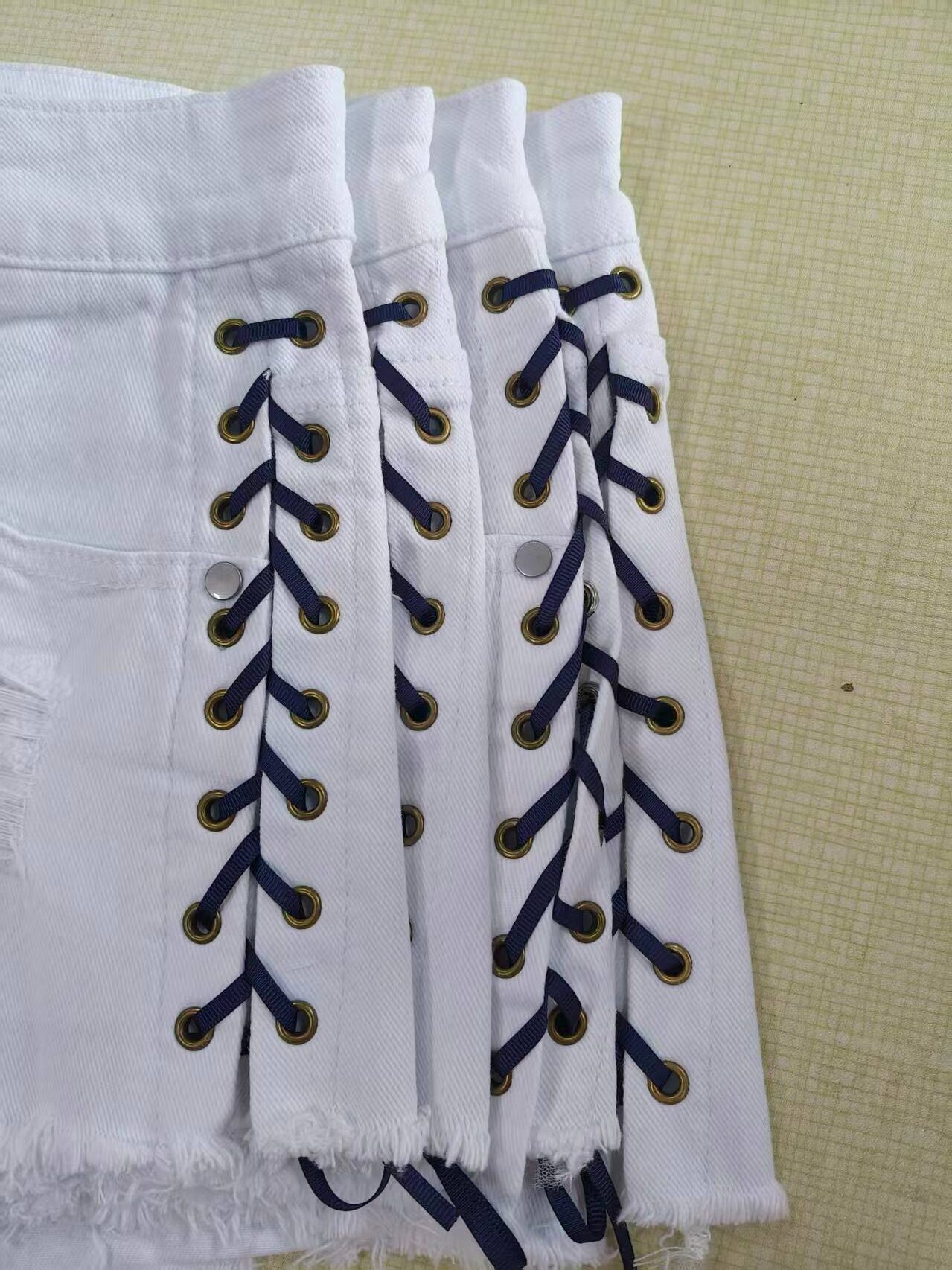
The eyelets had to form clean vertical lines, maintain consistent spacing, and align symmetrically on both sides of the garment.
Fashion Atlas translated the findings from the first production run into an updated technical specification for a repeat order of 500 units.

Step 2. Fabric Testing and Sample Refinement

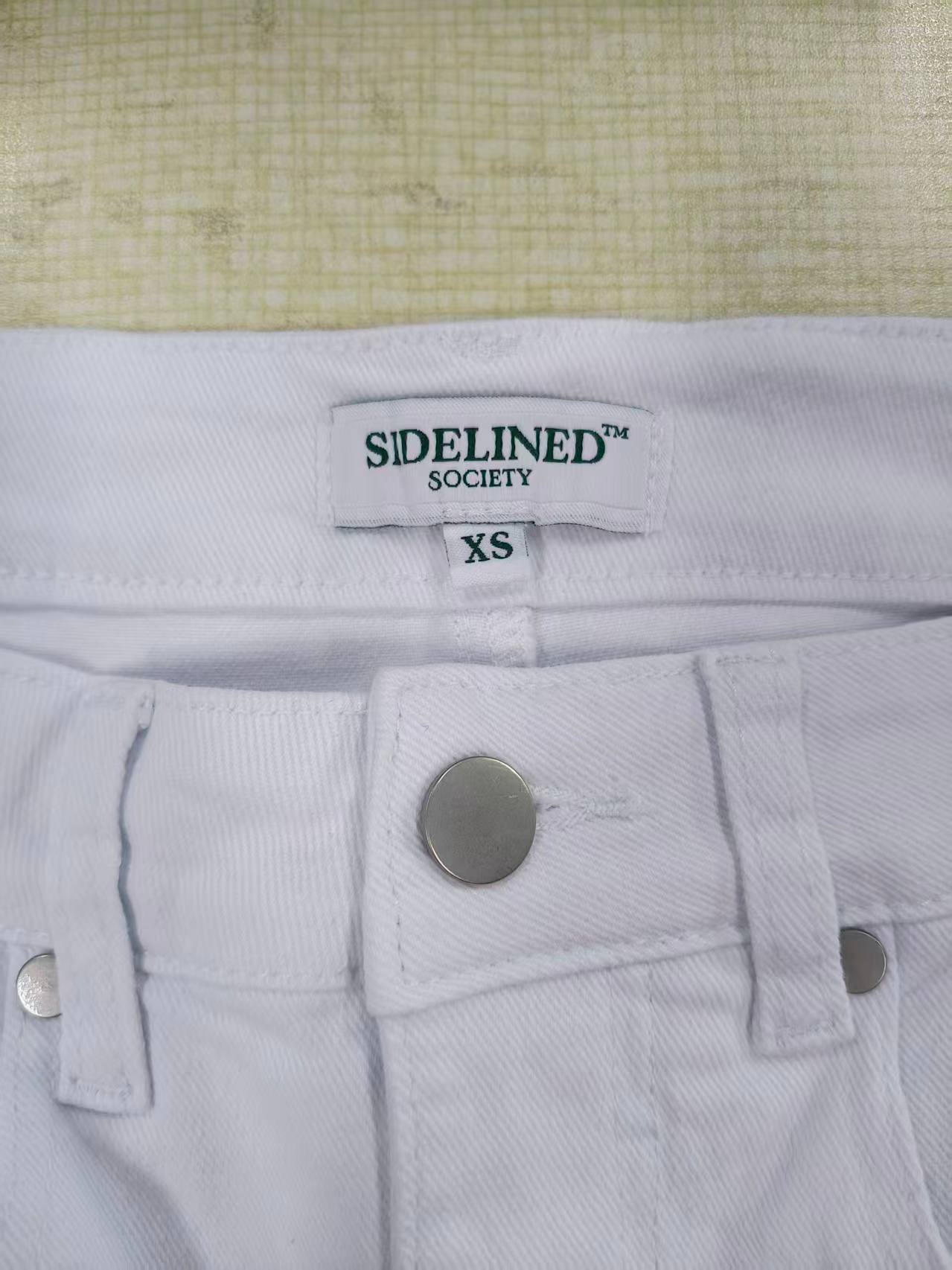
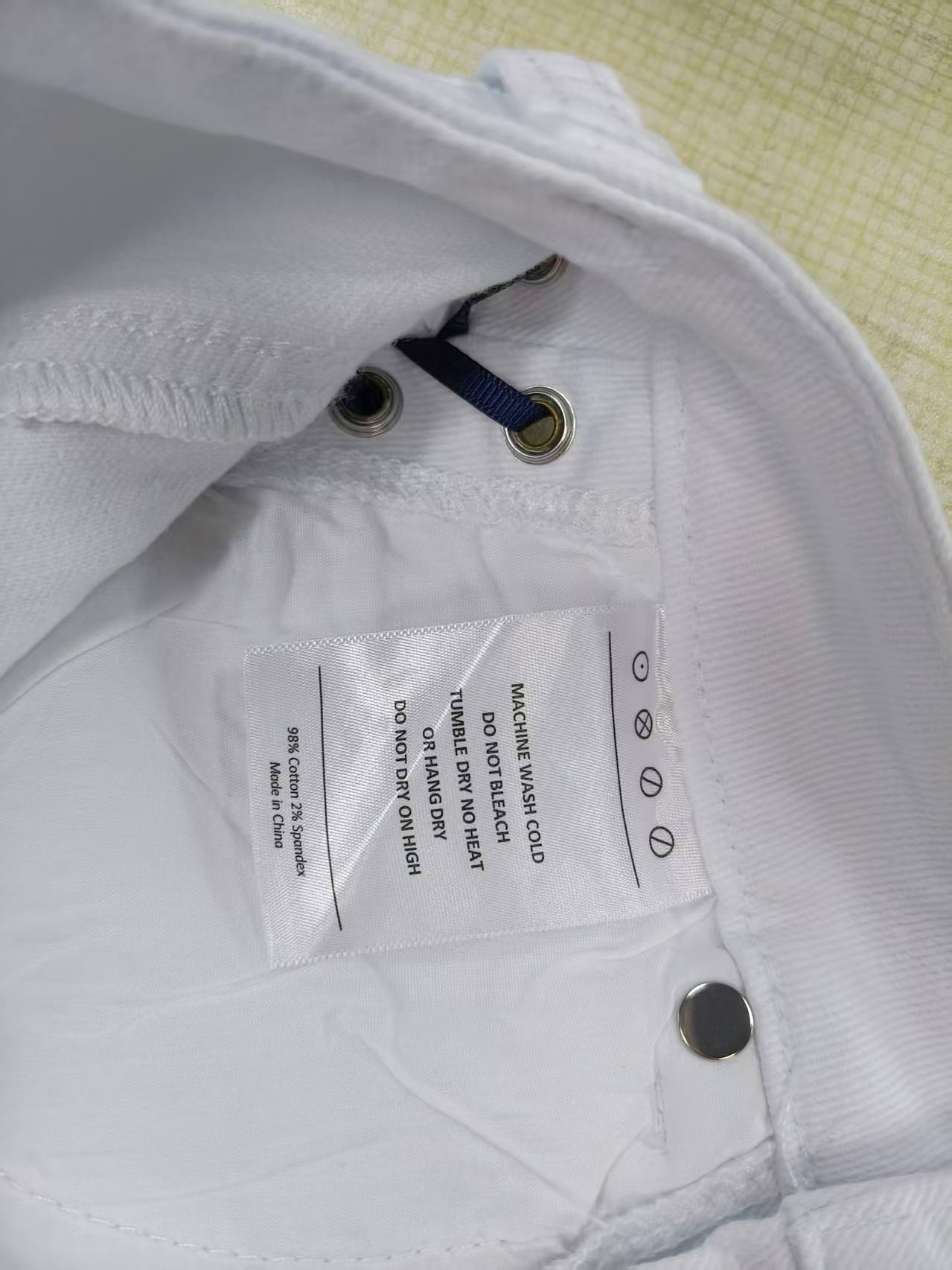
For the new production run, we sourced a denser stretch denim weighing 402 GSM and made from 98% cotton and 2% spandex.
The fabric underwent shrinkage testing before bulk production to assess its performance after washing. The results confirmed that the new material offered greater stability while supporting the close-fitting silhouette.
During sample development, our team also:
refined the size range;
reviewed garment length and overall proportions;
replaced the original eyelets with brown hardware at the client’s request;
improved eyelet alignment and symmetry;
developed samples in multiple sizes;
completed an internal quality review before shipment.
The updated samples allowed the client to assess the fabric, fit, hardware, and overall execution before committing to the larger order.

Get a Quote
Step 3. Custom Side Lacing and Bulk Production

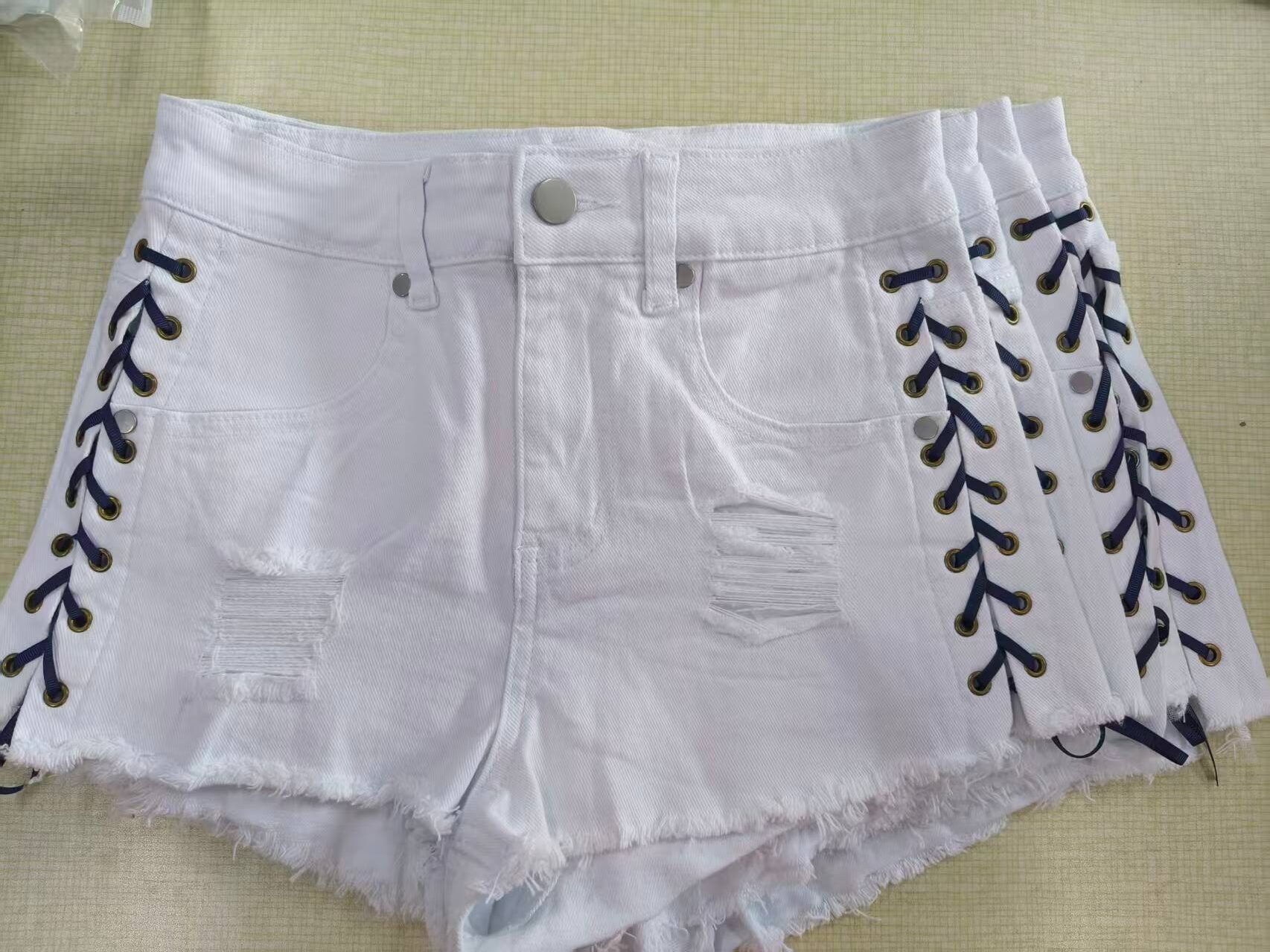
Once the core construction had been approved, the client expanded the concept by adding navy side lacing threaded through the eyelets.
The required tape was not available as a standard trim, so it was sourced specifically for the project. An additional sample was developed to evaluate the lacing density, eyelet placement, symmetry, and overall balance of the new detail.
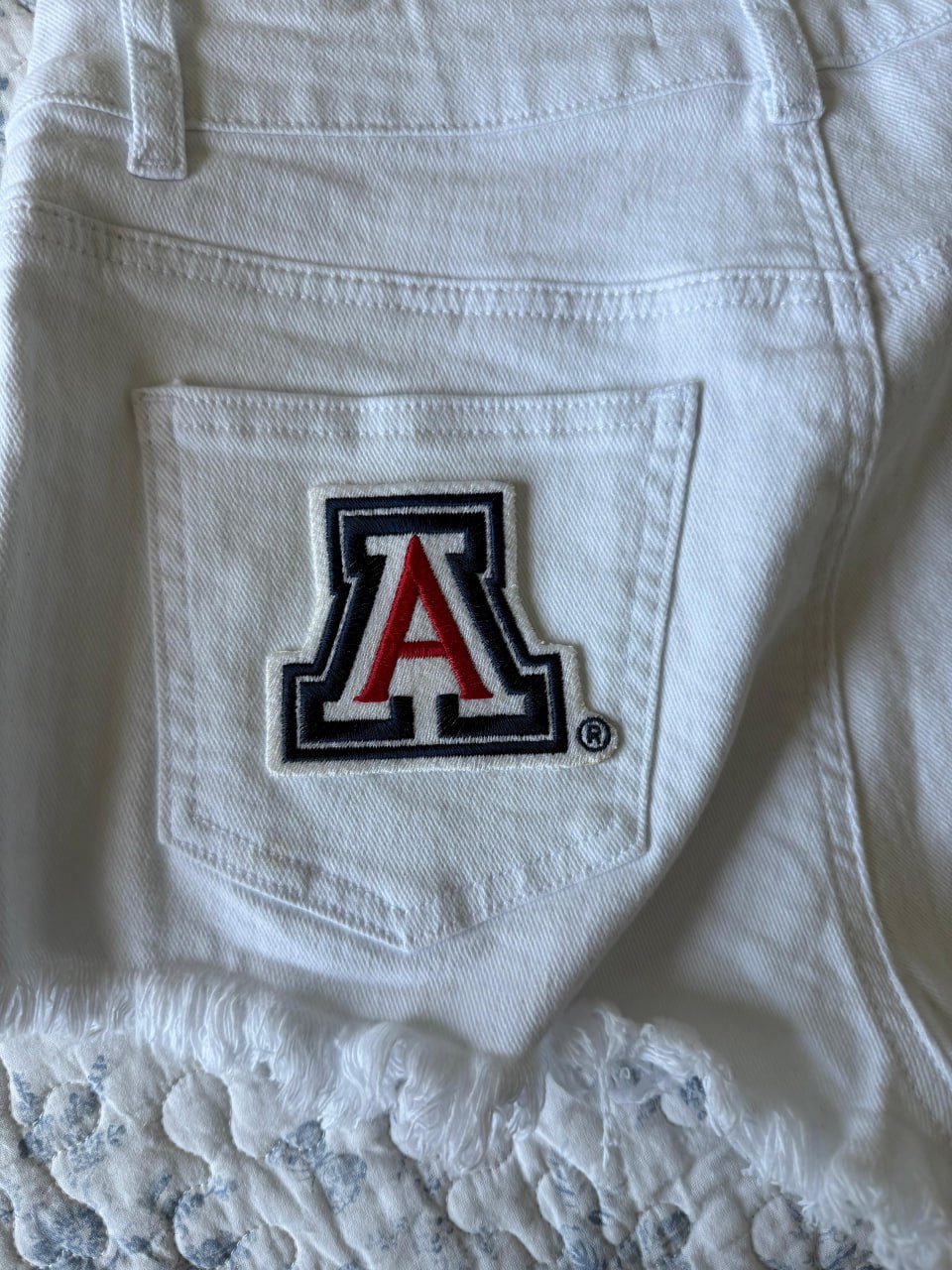
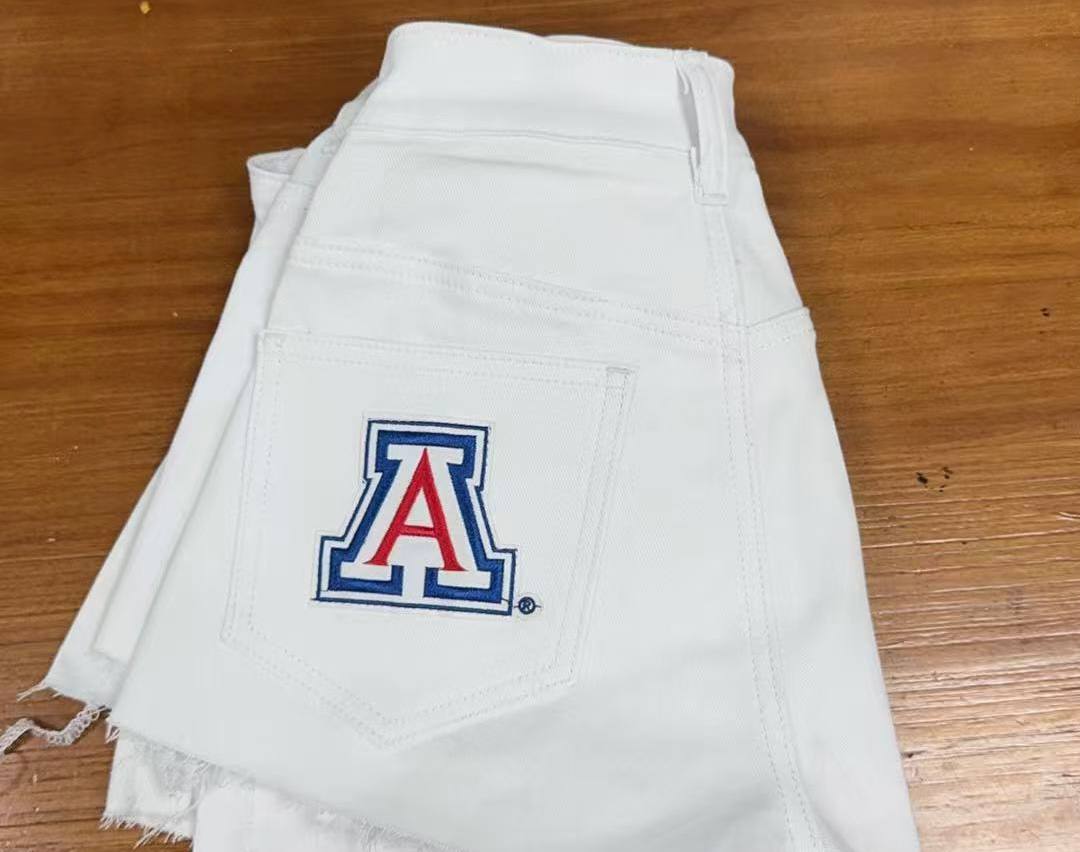
We also tested a decorative patch option. When the available patches showed signs of distortion after washing, Fashion Atlas recommended removing them from the production specification. This prevented an unreliable detail from being repeated across 500 finished garments.
The final production process included:
a specialized denim wash treatment;
eyelet installation after washing;
spacing and symmetry checks;
hand-threading of the navy lacing;
final pressing, inspection, and packing.
The client received more than a larger run of the original design. The result was a more refined and technically reliable version of the product.
Fashion Atlas managed the fabric sourcing, sample development, wash testing, technical refinements, and manual application of the decorative elements. This eliminated the need for the client to finish or modify the garments after delivery and created a complete, retail-ready product.
The original 100-unit run developed into a repeat order for 500 denim shorts — now produced with a more stable fabric, refined construction, and a stronger signature detail.
Tested in the market. Refined before production. Scaled with confidence.

Book a call


    1

    Full name*


    2

    Email*


    3

    Phone Number*

    United States+1


    4

    What type of product are you looking for?


    5

    What type of service are you looking for?

    Thank You ✓

    Next step:

    Book a call