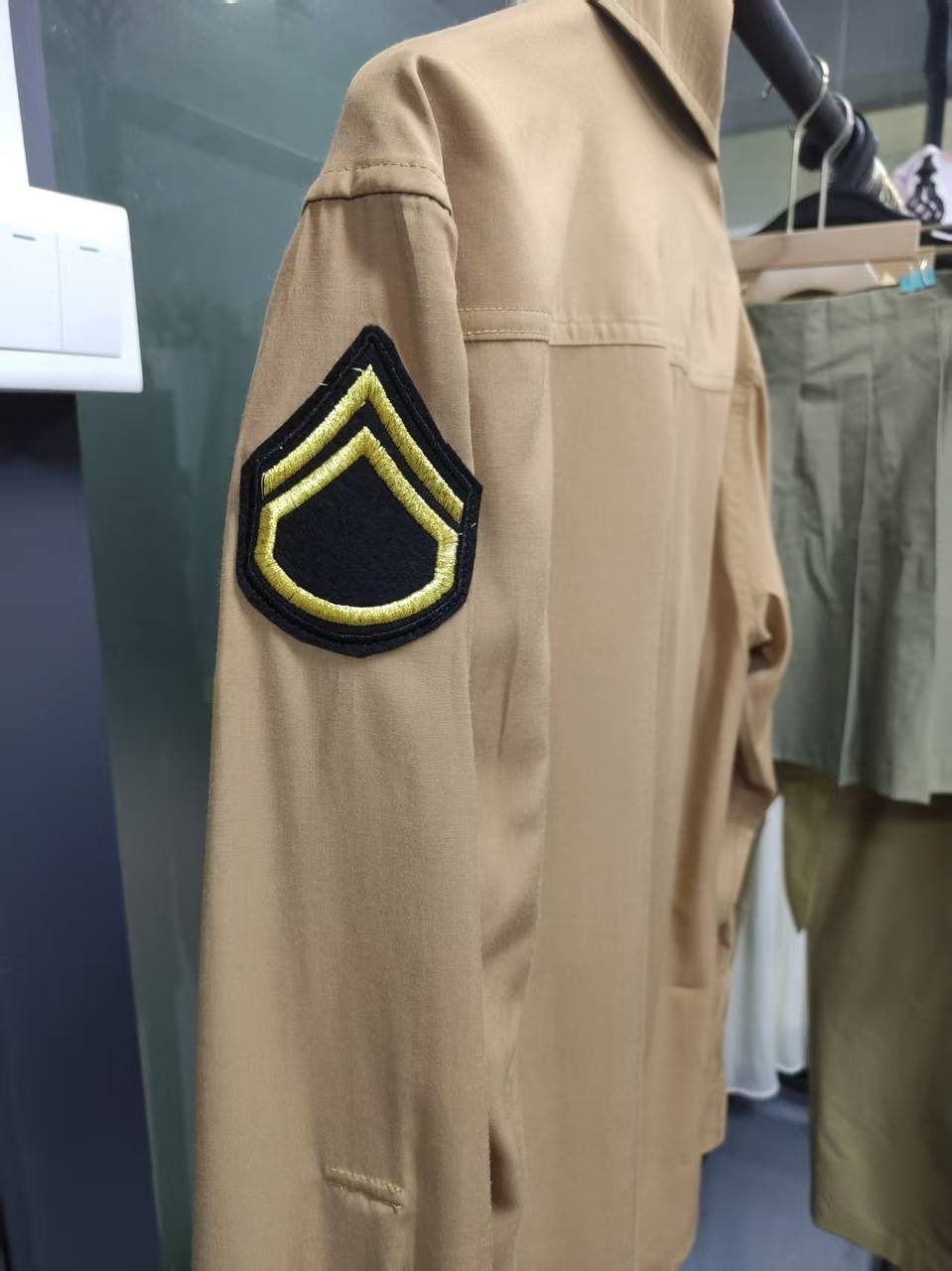
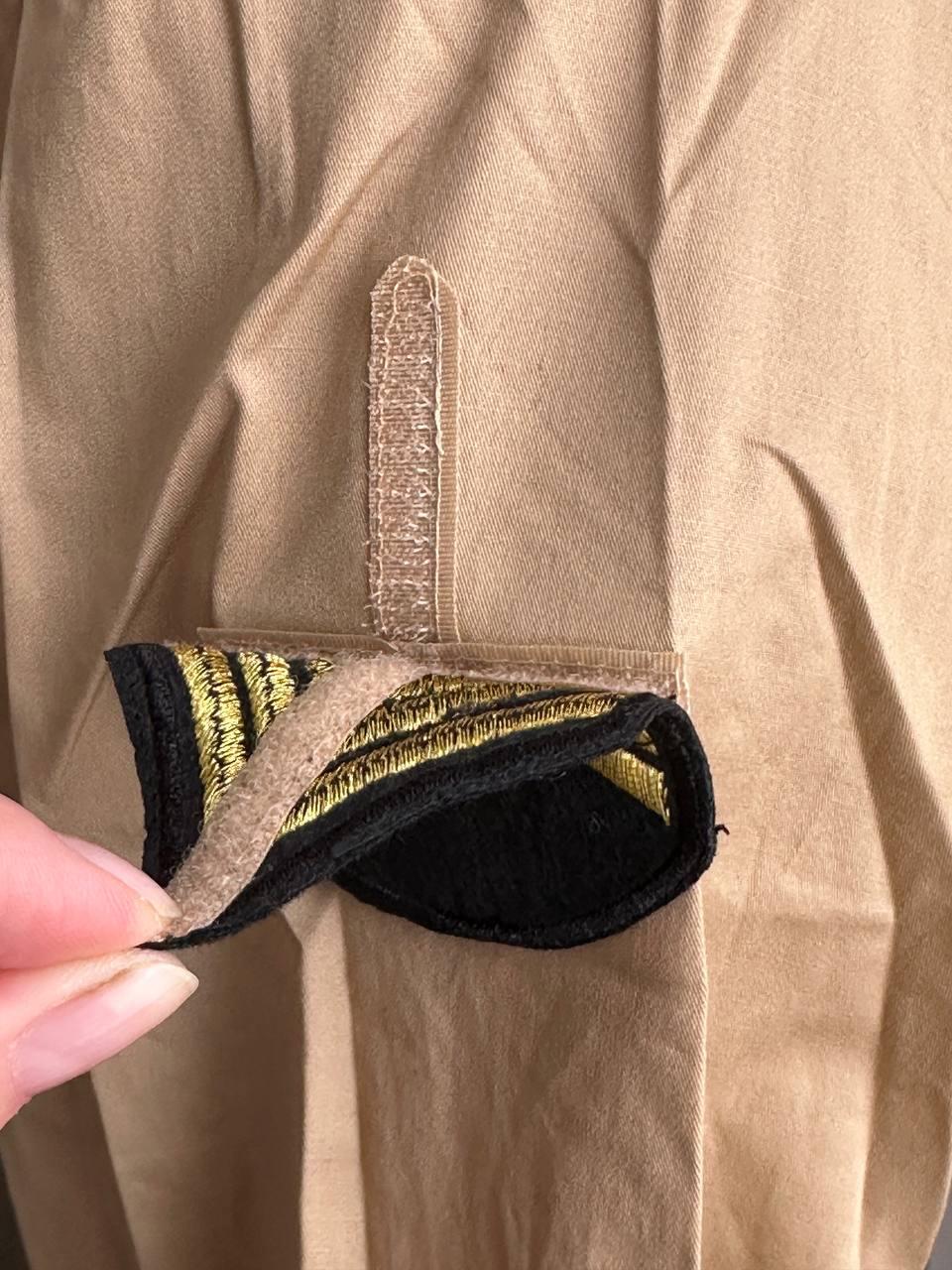
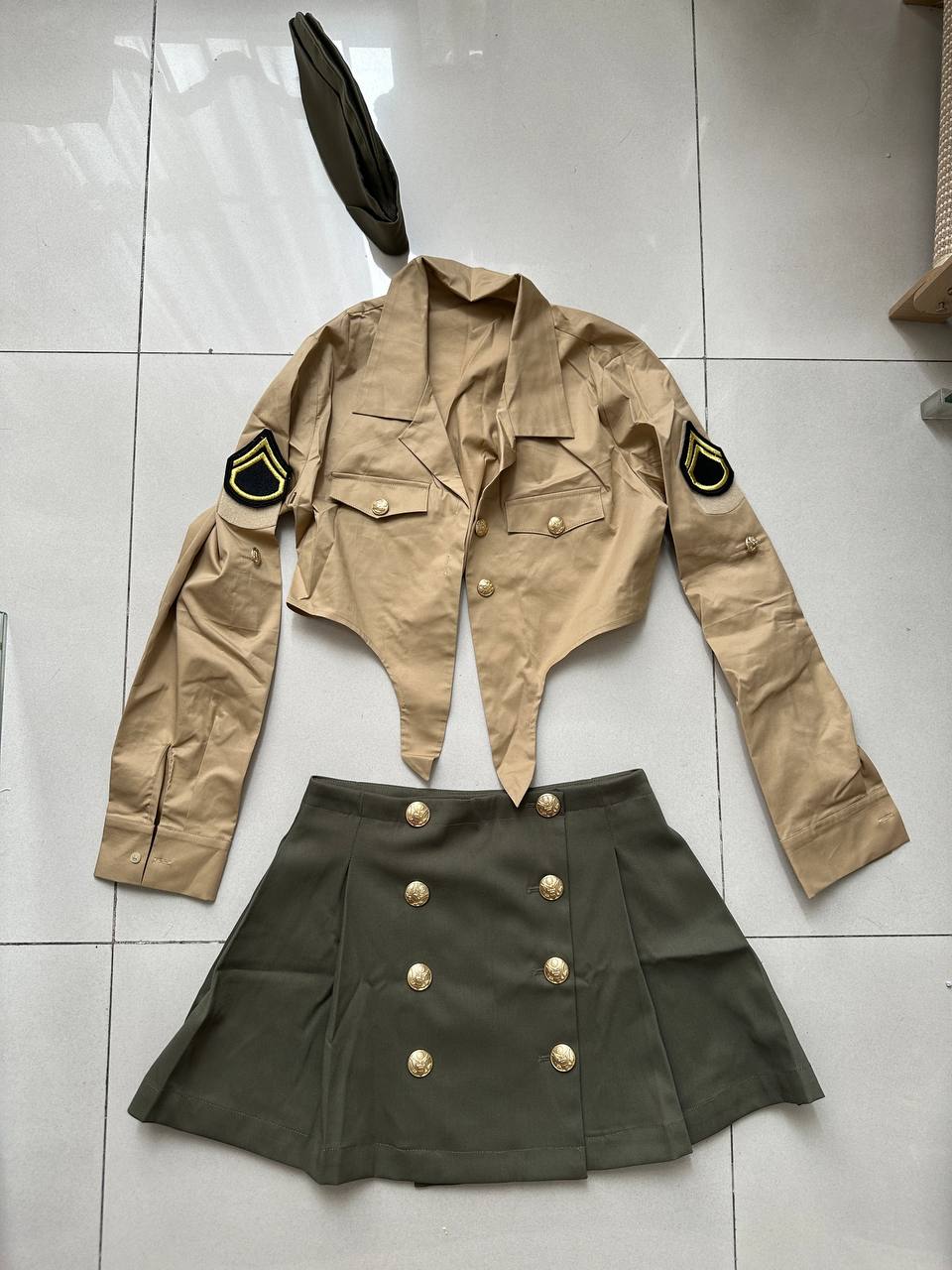
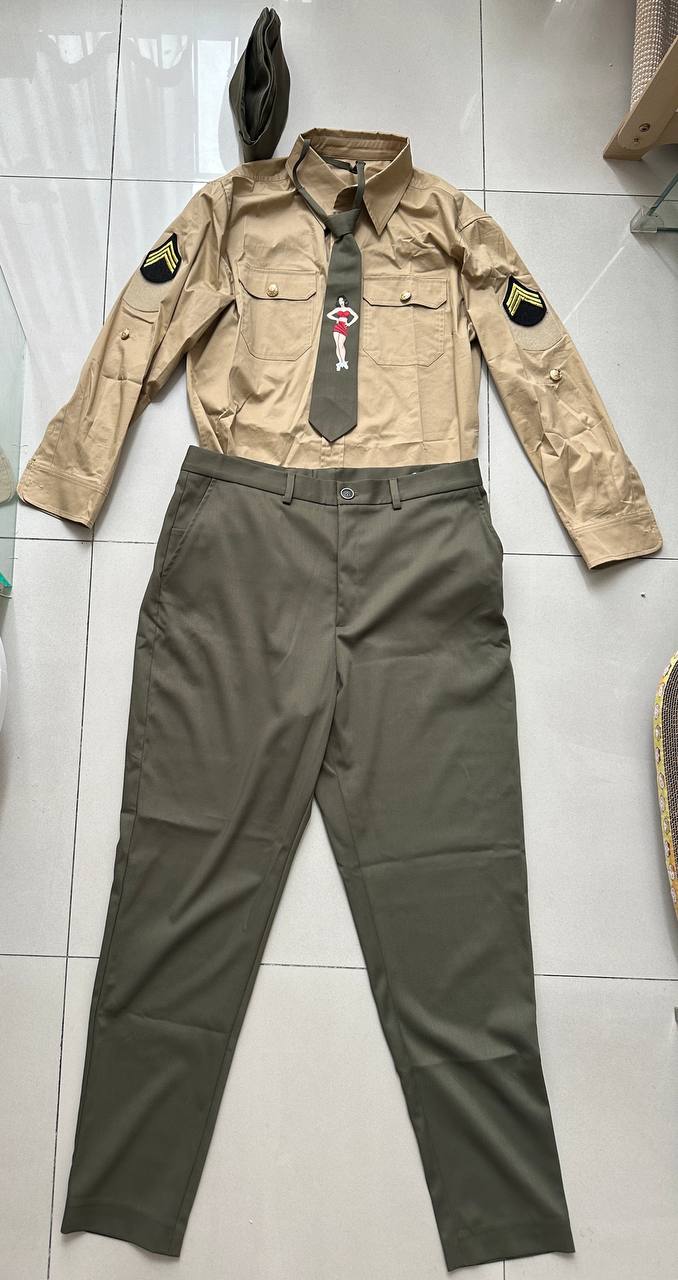
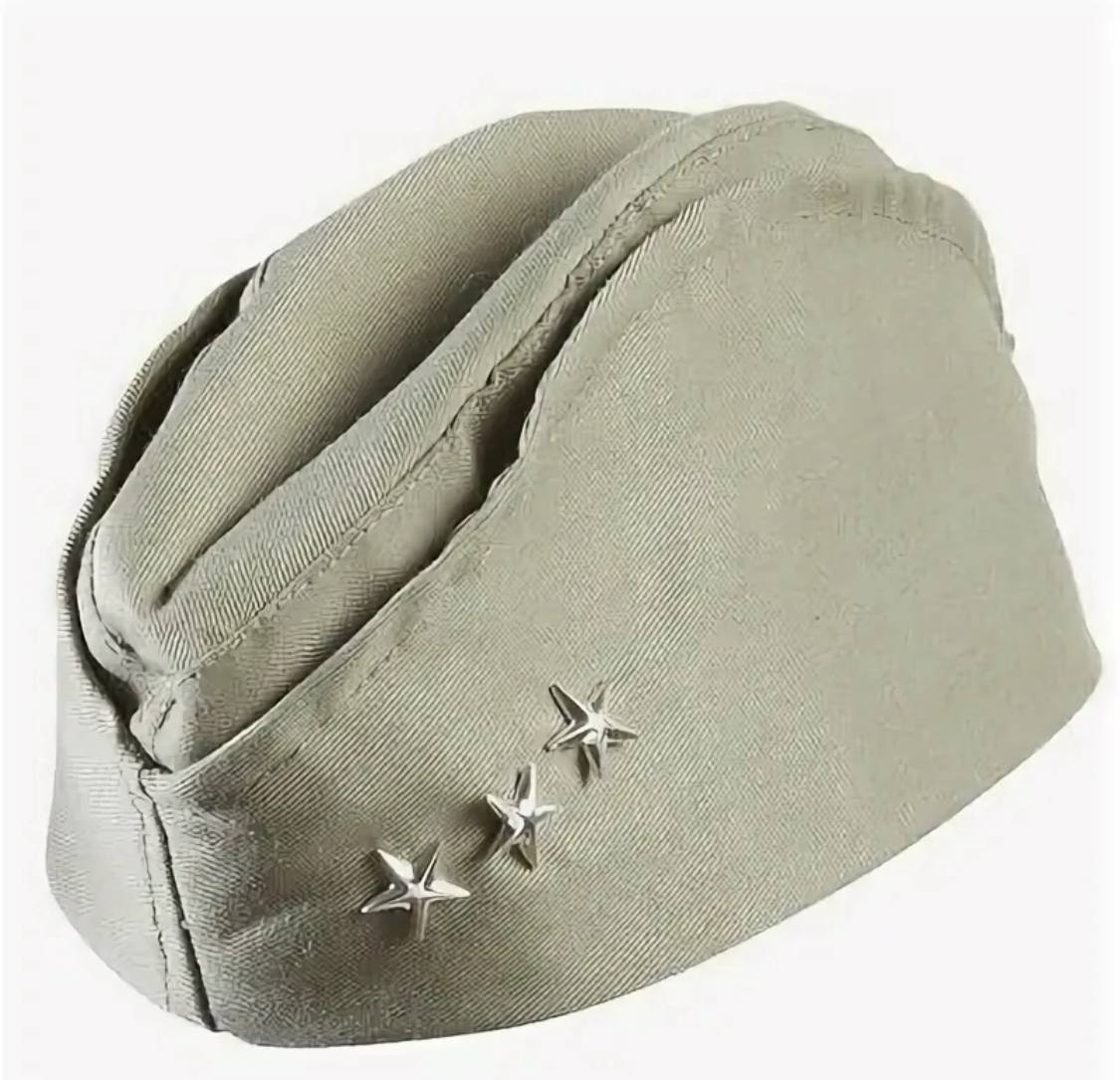
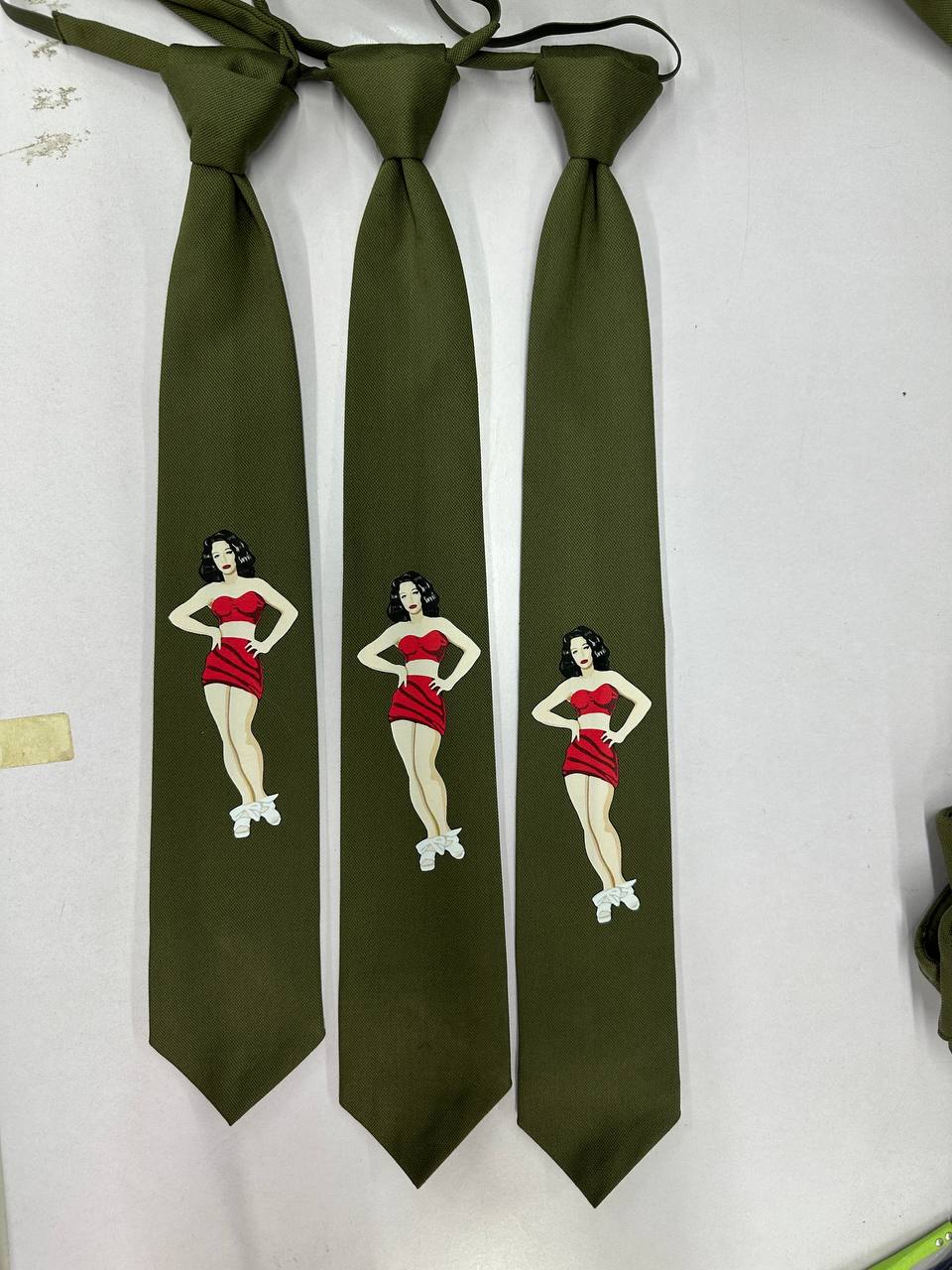
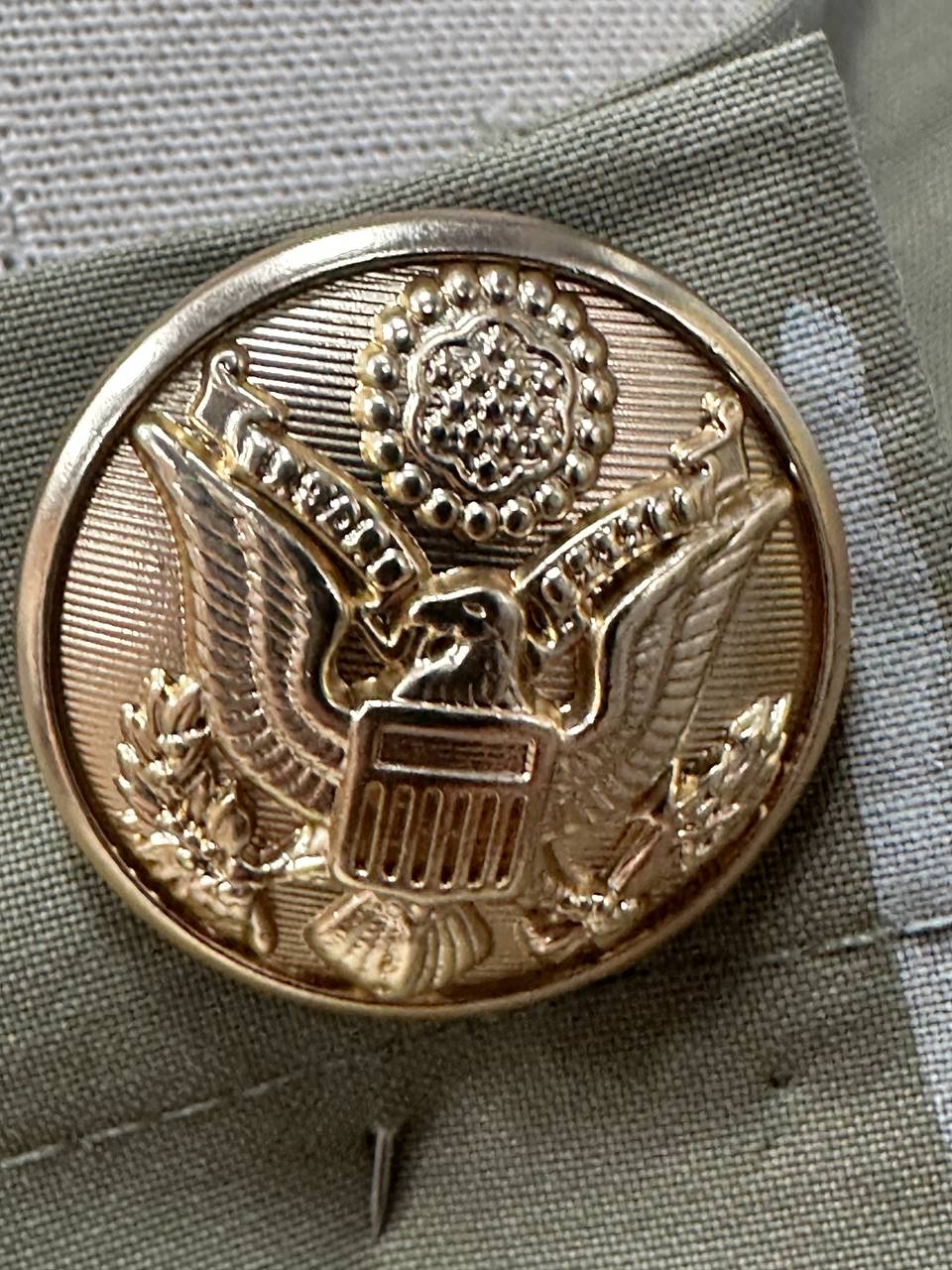
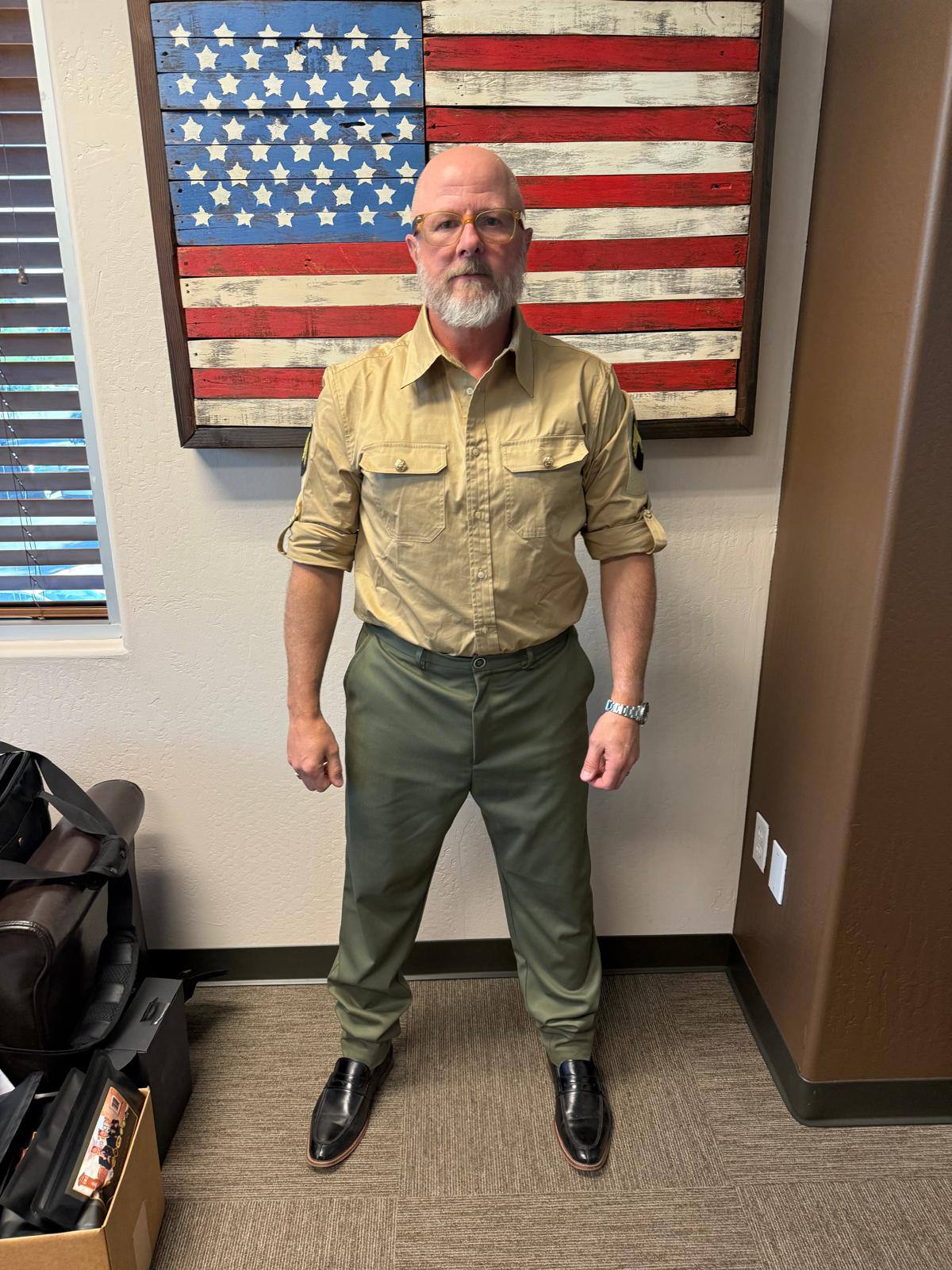
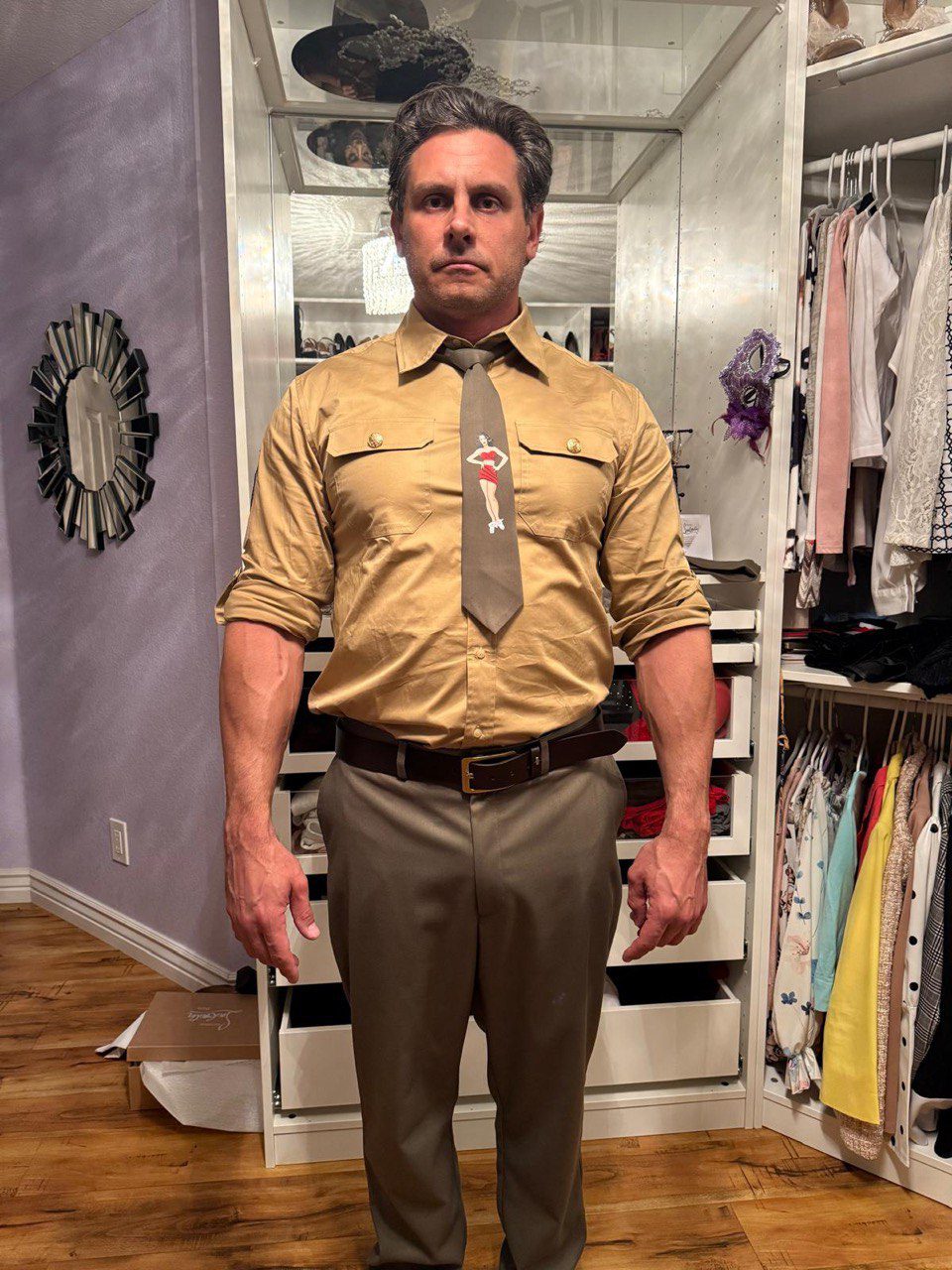
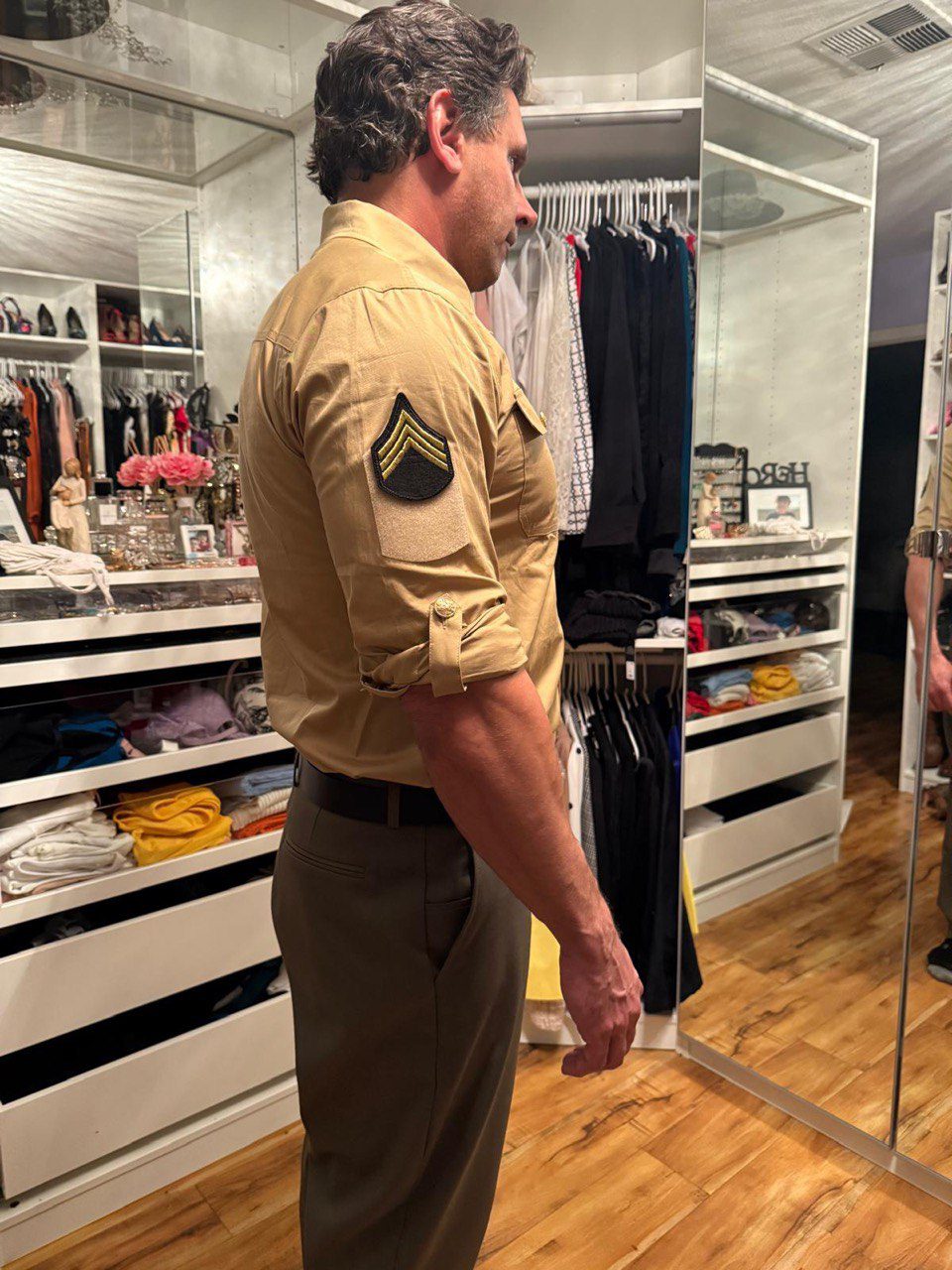
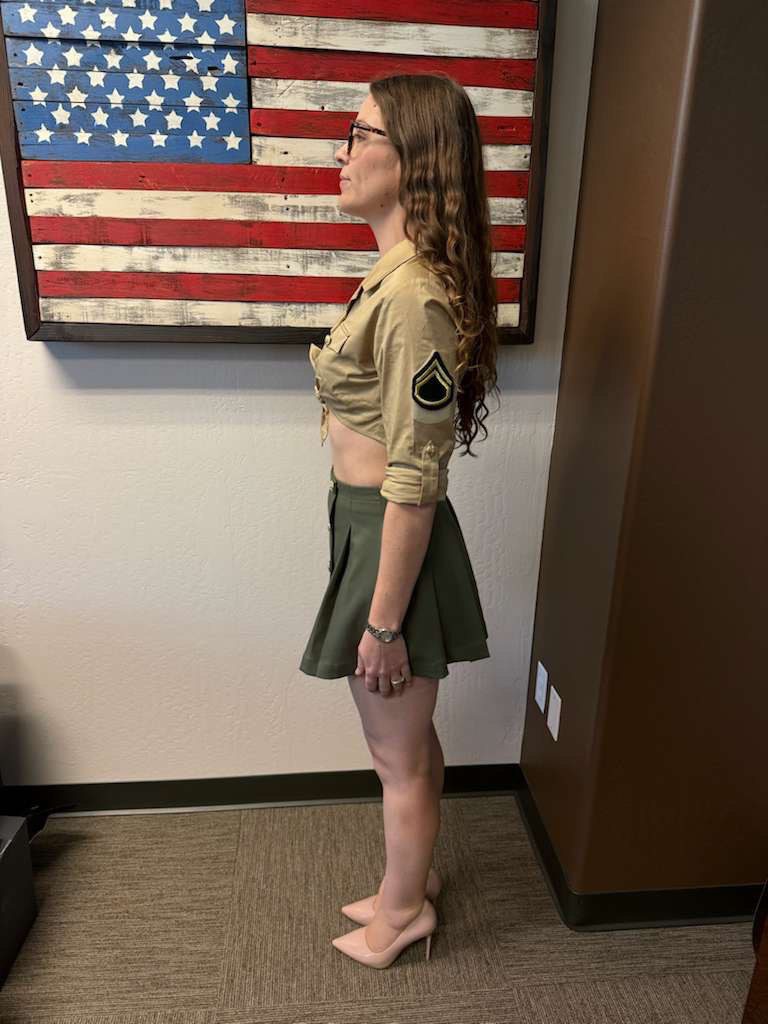
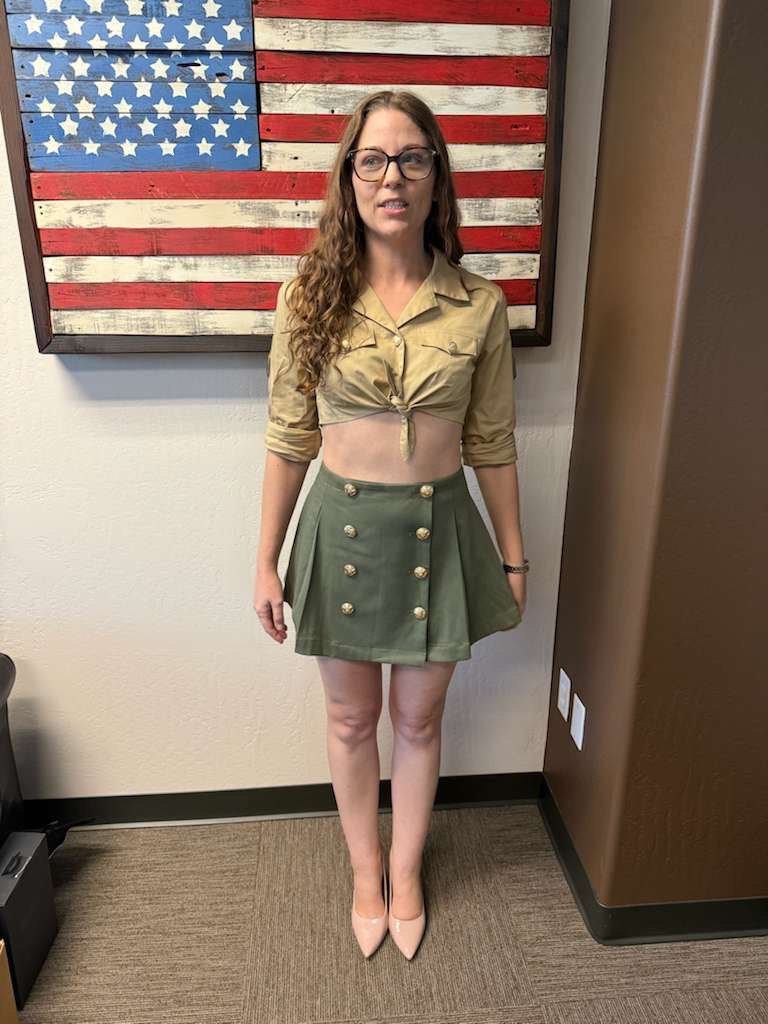
From Detailed References to Production-Ready Staff Uniforms A restaurant team approached Fashion Atlas Group with a detailed concept for custom men's and women's uniforms inspired by military styling. The project included shirts, crop tops, skirts, trousers, ties, garrison caps, custom eagle buttons, and interchangeable rank patches. What began as a sample development project evolved into a complete uniform development program requiring careful fit testing, custom component development, material sourcing, and coordinated production. Each garment had to combine the client's distinctive visual concept with the comfort, durability, and functionality needed for restaurant staff.
The client provided visual references, size information, and detailed requirements for both men's and women's uniforms. Our first task was to translate those ideas into specifications that could be consistently reproduced in production.
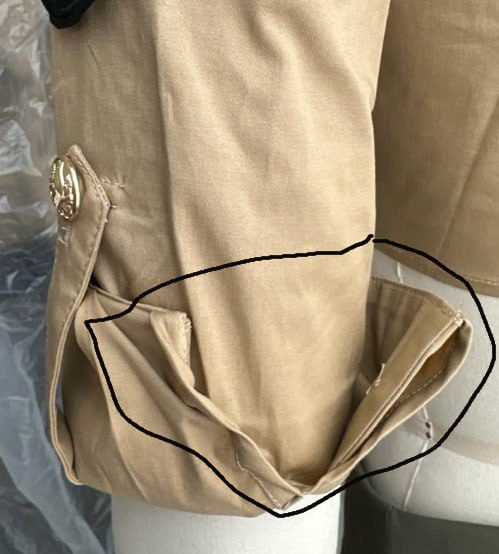
Initial samples gave the team an opportunity to evaluate how the designs worked as finished garments rather than only in drawings and reference images. Fit, proportions, fabric behavior, color, pocket dimensions, sleeve construction, and accessory placement were reviewed in detail.
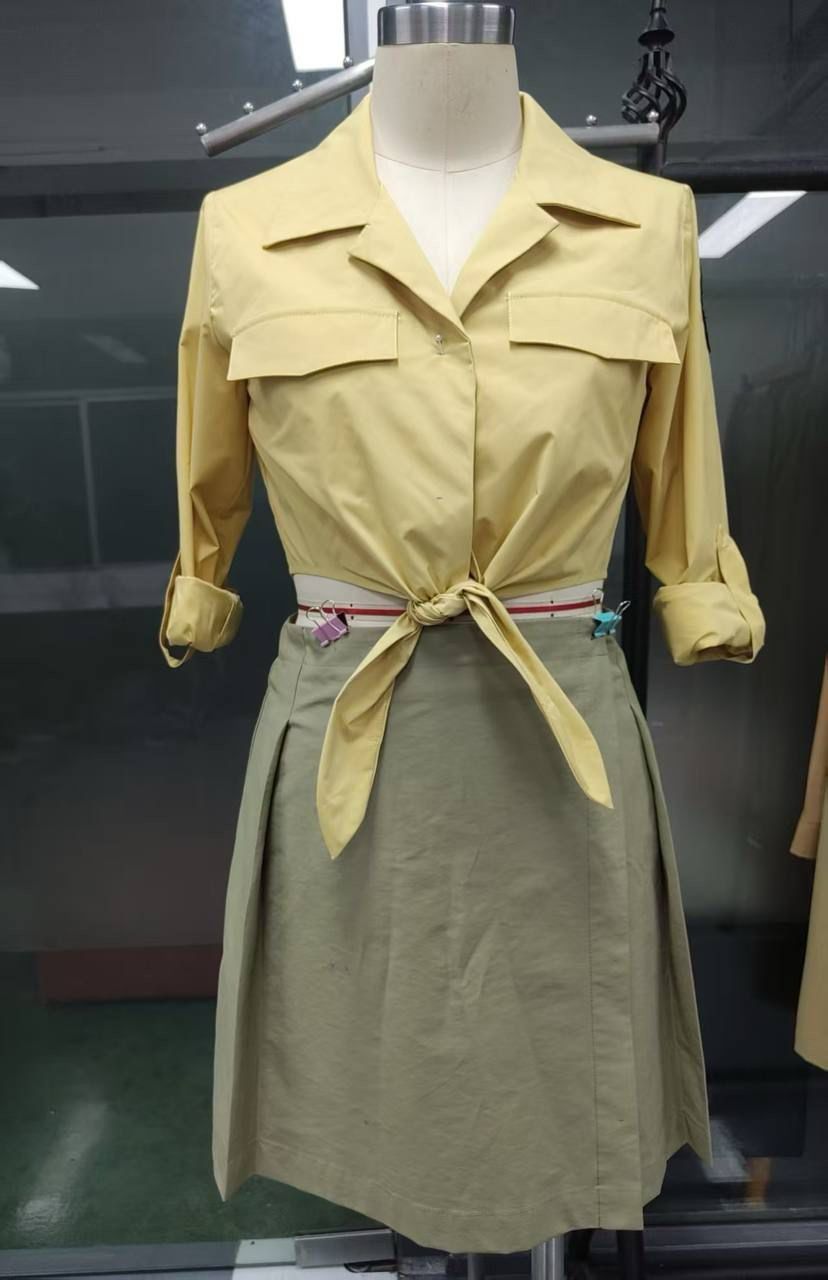
The women’s uniform was refined to achieve the intended fitted silhouette, including adjustments to the crop top length, tie-front construction, sleeve proportions, chest pockets, and skirt length. Men’s trousers received functional details such as front pockets, a second rear pocket, center creases, and a small ticket pocket suitable for a wine key.
Shirt development required additional attention. Physical wear testing revealed sizing inconsistencies that were difficult to identify from photographs alone, so garment measurements and size charts were reviewed before production. Material options were also reassessed to provide greater stretch and freedom of movement.
Several rounds of photos, videos, samples, and direct feedback helped bring the garments closer to the client’s references. Rather than moving every component into production at once, approved elements progressed while items requiring further refinement remained in development.
Get a QuoteOnce specifications were finalized, the approved components moved into production in stages. The program included a 160-piece skirt order, along with men’s and women’s shirts, custom-sized ties, garrison caps, and rank patches.
Quality control continued throughout production rather than being left until final packing. Skirt measurements and fabric quality were inspected, while tie prints were tested for adhesion after an earlier sample revealed a potential issue. Finished shirts also underwent inspection before shipment.
When fabric defects were identified on several women’s shirts, the affected pieces were rejected and remade instead of being included in the finished order. Problematic skirt units were similarly separated for replacement.
Packaging was also organized to simplify warehouse receiving. Different sizes and product categories were separated, men’s and women’s components were clearly identified, and custom patches were packed by rank and SKU with barcode labels.
The result was a complex uniform concept transformed into a coordinated production program with validated sizing, custom trims, functional garment details, structured quality control, and multiple product categories prepared for shipment.