
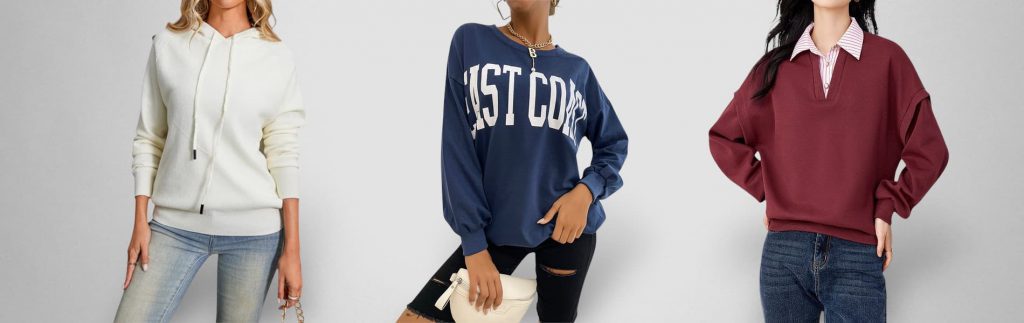
Quick answer: A hoodie often costs about $12 to $50+ to produce depending on fleece weight, fabric quality, hardware, print or embroidery, MOQ, and whether the style is a simple pullover or a more complex zip-up hoodie.
The cost to make a hoodie can range from around $12 for a relatively simple style to $50 or more for a premium custom hoodie. The final price depends on the fabric, GSM, garment construction, fit, trims, printing or embroidery, order quantity, and where the hoodie is manufactured.
In practice, this range is only a starting point. Two hoodies that look similar in a product photo can have very different production costs. A standard pullover made from stock fleece is a different manufacturing project from an oversized heavyweight hoodie with a double-layer hood, custom dye, embroidery, branded trims, and specialty packaging.
Estimated Hoodie Manufacturing Cost by Type
| Hoodie Type | Materials | Labor | Additional Costs | Total Per Unit |
| Basic Pullover | $11-16 | $3-8 | $2-4 | $16-28 |
| Premium Pullover | $18-28 | $5-12 | $3-6 | $26-46 |
| Basic Zip-Up | $14-20 | $4-10 | $2-5 | $20-35 |
| Premium Zip-Up | $22-35 | $8-15 | $4-8 | $34-58 |
Very simple styles may fall closer to the $12–$18 range, while the estimates above reflect more typical planning ranges for production runs of approximately 500–1,000 units. These are not fixed manufacturing prices. Actual costs depend on fabric specifications, construction, decoration, order quantity, production location, and what is included in the supplier’s quote.
How Hoodie Manufacturing Costs Are Calculated
A hoodie manufacturing quote is usually built from several parts rather than a single fixed price.
So, how much does it cost to make a hoodie at different levels of complexity? The estimates below provide a useful starting point.
| Cost Component | What It Can Include |
| Fabric | Fabric type, composition, GSM, color, and total fabric consumption |
| Cutting and sewing | Pattern complexity, number of panels, pockets, hood construction, ribbing, and assembly |
| Trims and hardware | Drawcords, eyelets, aglets, zippers, labels, and other components |
| Decoration | Screen printing, embroidery, heat transfer, patches, or specialty finishes |
| Product development | Tech pack preparation, pattern making, grading, samples, and revisions |
| Packaging | Poly bags, hangtags, size labels, cartons, or custom packaging |
| Logistics | Freight, customs duties, and other delivery-related costs, depending on the quote terms |
Not every supplier structures a quote in the same way. Some costs may be included in the unit price, while others are quoted separately. This is why comparing two factory prices without checking what each quote includes can be misleading.
Fabric Is One of the Biggest Cost Drivers
Fabric is usually one of the first variables a manufacturer looks at when estimating hoodie production costs. But the price is determined by more than whether the garment is made from cotton, polyester, French terry, or fleece.
The manufacturer also needs to consider the fabric composition, weight, width, finish, color requirements, and how much material the pattern will consume. Fabric width and pattern layout can affect cutting efficiency, which means two garments made from the same material may not use the same amount of fabric.
Stock fabrics can often be more economical for smaller production runs because the material is already available in established colors and specifications. Fabric sourcing can also help brands compare available materials, specifications, and supplier options before sampling begins. Custom-developed fabrics, custom colors, special washes, or finishes may introduce additional development requirements and minimum quantities.
How GSM Affects Hoodie Manufacturing Cost
GSM — grams per square meter — describes the weight of the fabric. Fabric weight is an important cost factor because it can affect both material cost and the production process.
As a general reference, hoodie fabrics may range from relatively lightweight materials around 240–270 GSM (7–8 oz) to midweight fabrics around 300–340 GSM (9–10 oz) and heavyweight fleece at approximately 400 GSM (12 oz) or more.
Heavier fabrics can increase material costs and may also require more time during cutting and sewing, particularly where multiple layers meet around seams, pockets, ribbing, and hood construction.
GSM should not be treated as a measure of quality on its own. Two fabrics with the same weight can differ in composition, knitting, finishing, shrinkage, durability, hand feel, and price. For costing purposes, the manufacturer needs the actual fabric specification rather than simply a request for a “premium heavyweight hoodie.”
Hoodie Construction Changes the Cost
The construction of a hoodie affects both material consumption and the amount of work required to produce it. Even when two styles use the same fabric, differences in pattern pieces, seams, pockets, hoods, and hardware can lead to different manufacturing costs.
A basic pullover is generally simpler to produce than a zip-up hoodie. Adding a zipper introduces another component as well as additional cutting, sewing, and alignment requirements. The type and quality of the zipper can also affect the final price.
Hood construction matters too. A simple hood requires fewer components than a lined or double-layer hood, which uses additional fabric and involves more sewing. More structured hood designs may also require additional pattern pieces.
Other details that can increase material or production requirements include:
- kangaroo, side-seam, or zippered pockets;
- custom ribbing at the cuffs and waistband;
- drawcords, eyelets, and metal aglets;
- contrast panels or additional seams;
- custom zippers and other branded hardware.
Fit can affect the cost as well. An oversized or drop-shoulder hoodie typically uses larger pattern pieces and may consume more fabric than a standard-fit style. How efficiently those pieces can be arranged during cutting also influences material usage.
This is why terms such as “basic hoodie” or “premium hoodie” are not enough for an accurate manufacturing quote. The manufacturer needs to know how the garment is actually constructed.
Printing, Embroidery, and Other Decoration Costs
Decoration can add a relatively small amount to the cost of a simple hoodie or become a significant production expense when the design involves multiple techniques, large artwork, or several placement areas. The final cost depends on the decoration method, artwork size and complexity, number of colors, placement, quantity, and setup requirements.
Screen printing is commonly used for larger production runs and bold graphic designs. Each additional color or print location can require more setup and production work, so a single chest print will generally cost less than a design printed across the front, back, and sleeves.
Embroidery is calculated differently. Design size, stitch count, number of embroidered locations, and artwork complexity all affect the cost. The artwork must also be digitized into an embroidery file before production, and large or dense embroidery can require significantly more machine time than a small logo.
Other options, including heat transfers, patches, appliqué, puff printing, and specialty finishes, introduce their own materials and production steps.
Decoration should also be considered together with the fabric. A technique that works well on heavyweight fleece may require a different setup on a lighter or more flexible material. Testing the decoration on the actual fabric during sampling can help identify problems before bulk production.
For an accurate quote, specify the decoration method, artwork dimensions, colors, and exact placement rather than simply requesting a “printed hoodie” or “embroidered hoodie.”
How Order Quantity Affects the Cost Per Hoodie
Order quantity can have a significant effect on the cost per hoodie. The cost ranges shown earlier in this guide use production runs of approximately 500–1,000 units as a planning reference. Smaller runs will often have a higher cost per unit, while larger orders may reduce the unit cost as production becomes more efficient.
The reason is not simply that factories offer bulk discounts. Every production run involves preparation and setup costs that must be covered whether the factory is producing 100 hoodies or 1,000. Depending on the project, these can include pattern development, fabric and trim sourcing, cutting preparation, machine setup, decoration setup, and production planning.
With a larger order, these costs are spread across more garments. Factories may also be able to purchase materials more efficiently and run cutting, sewing, and decoration operations for longer without repeated setup.
The total quantity is not the only factor. How the order is divided among colors, sizes, and design variations also matters. An order of 500 hoodies in one fabric and color has a different cost structure from 500 pieces split across five colors or several design variations.
For this reason, MOQ should be considered together with the complete order breakdown rather than as a single number.
Sample and Development Costs
Before bulk production begins, a custom hoodie usually goes through a development stage. These costs are separate from the per-unit manufacturing price and can include pattern making, size grading, sample production, and revisions.
As a general planning range, pattern development and grading may cost around $300–$1,000 per design, depending on the complexity of the garment and the services included. A hoodie sample may cost approximately $50–$150 or more, especially when custom fabric, trims, embroidery, printing, or other special details are required.
Sampling allows the brand and manufacturer to check the fit, proportions, fabric behavior, construction, and decoration placement before committing to bulk production. A recent custom hoodie development project shows how this process can move from visual references and sampling to a 100-piece production run.
The first sample does not always become the final production sample: changes to measurements, fabric, construction, trims, or artwork may require another round of sampling, adding both cost and time.
It is also useful to separate one-time development costs from recurring production costs. Pattern making, grading, and some setup work may be paid during development, while fabric, cutting, sewing, decoration, labels, packaging, and other manufacturing expenses are calculated into the bulk order.
For brands comparing quotes, this distinction matters. A lower unit price does not necessarily mean a lower total project cost if sampling, pattern development, grading, or other services are charged separately.
Blank Hoodies vs. Custom Cut-and-Sew Manufacturing
When estimating how much it costs to make a hoodie, it is important to distinguish between customizing an existing blank and developing a garment from scratch.
Blank hoodie customization starts with a ready-made garment and adds elements such as screen printing, embroidery, transfers, or custom labels. Because the fabric, pattern, fit, and construction have already been developed, this approach usually requires less product development and can be practical for smaller orders, merchandise, or brands testing a design.
Custom cut-and-sew manufacturing starts with the specifications of the garment itself. The brand can define the fabric, GSM, fit, measurements, construction, trims, colors, labels, decoration, and packaging. Patterns and samples may need to be developed and approved before bulk production, adding development costs to the project.
For example, printing a logo on a stock fleece hoodie is fundamentally different from developing an oversized 450 GSM hoodie with a custom fit, double-layer hood, embroidery, branded hardware, and private label packaging. Both may be described as “custom hoodies,” but their cost structures are very different.
When comparing prices, brands should therefore check whether a quote covers decoration of an existing blank or full custom hoodie manufacturing.
Additional Costs That Can Affect the Final Hoodie Price
The factory unit price is not always the complete cost of producing and delivering a hoodie. Depending on the supplier, order terms, and level of customization, some expenses may be included in the quote while others are charged separately. The figures below are illustrative planning ranges and can vary substantially by supplier, quantity, specifications, and production location.
Packaging. A basic poly bag may add around $0.15–$0.30 per unit, while custom-printed packaging can cost approximately $0.40–$0.80 per unit. More elaborate packaging, such as branded boxes, tissue paper, or specialty inserts, may add $2–$5 or more per hoodie.
Labels and tags. Custom woven labels, size labels, care labels, and hangtags can add approximately $0.40–$1.20 per garment, depending on the materials, quantities, and number of branding elements required.
Quality control. When inspection is quoted separately, quality control may add approximately $0.50–$1.50 per unit. The actual cost depends on the inspection requirements, production volume, and how QC is organized within the manufacturing agreement.
Freight and delivery. Shipping can significantly change the landed cost of a hoodie, particularly for international production. The final amount depends on shipment weight and volume, origin and destination, transportation method, and delivery terms.
Duties and customs fees. Import duties, taxes, brokerage, and other customs-related charges may also apply when garments are manufactured overseas. These costs vary by destination, product classification, country of origin, and current trade rules, so they should be calculated for the specific shipment rather than treated as a fixed percentage.
When comparing manufacturers, brands should therefore ask: What exactly is included in the quoted price? A $20 factory quote that excludes development, packaging, inspection, and freight cannot be compared directly with a $24 quote that includes some or all of those services.
How to Reduce Hoodie Manufacturing Costs Without Sacrificing Quality
Reducing hoodie production costs does not necessarily mean choosing the cheapest fabric or removing every custom detail. A better approach is to identify which specifications matter to the product and simplify those that add cost without adding meaningful value.
Use stock fabrics and colors when they fit the design. Custom-developed fabrics and custom dyeing can introduce additional minimums, development work, and lead time.
Keep construction purposeful. Double-layer hoods, custom pockets, contrast panels, specialty seams, and branded hardware can all add material or production requirements. Keep the details that contribute to the product and reconsider those that do not.
Optimize decoration. A single print or embroidery placement will generally cost less than decorating the front, back, sleeves, and hood. Fewer print colors or decoration areas can also reduce setup and production costs.
Plan quantities and colorways together. Splitting an order across many colors or design variations can reduce some of the efficiencies gained from a larger total quantity.
Finalize specifications before bulk production. Changes made after fabric has been ordered, patterns developed, or production started can be more expensive than changes made during development and sampling. A clear tech pack and approved sample help reduce avoidable revisions.
Compare landed cost, not only factory price. Freight, duties, packaging, inspections, and other project costs can change which supplier or production option is actually more economical.
The goal is not simply to manufacture the cheapest hoodie possible, but to control costs without compromising the specifications that define the product.
What a Manufacturer Needs to Give You an Accurate Hoodie Quote
A manufacturer cannot accurately price a custom hoodie based only on a reference photo or a request for “500 premium hoodies.” The more clearly the product is specified, the more accurate the initial quote can be.
For a custom hoodie project, manufacturers typically need:
- Design or tech pack — sketches, measurements, construction details, and other product specifications;
- Fabric requirements — composition, GSM, color, finish, or a reference fabric;
- Fit and size range — regular, oversized, cropped, or another silhouette, together with the required sizes;
- Order quantity — total units and the breakdown by color and size;
- Construction and trims — pullover or zip-up, hood type, pockets, ribbing, drawcords, zippers, and other components;
- Decoration and branding — printing or embroidery method, artwork size and placement, labels, hangtags, and branded details;
- Packaging and delivery requirements — packaging type, destination, and any requirements needed to estimate the landed cost.
If some specifications have not yet been decided, they can be developed during the product development and sampling process. The more complete the information provided before quoting, the easier it is to compare suppliers on the same basis and understand why their prices may differ.
Calculating Your Retail Price
Understanding how much it costs to make a hoodie is only the first step in setting a retail price. Brands also need to account for freight, duties where applicable, warehousing, fulfillment, marketing, payment fees, returns, overhead, and the margin required to operate the business.
For example, a hoodie that costs around $20 to manufacture might eventually retail for $80–$90, but this should not be treated as a universal markup formula. The appropriate retail price depends on the sales model, distribution costs, positioning, customer acquisition costs, and whether the product is sold directly to consumers or through wholesale channels.
For product planning, it can be useful to work backward from the intended retail price and establish a target cost before production begins. If the target cost cannot support the proposed fabric, construction, decoration, packaging, and logistics, those specifications can be adjusted during development rather than after the product has been manufactured.
Production Timelines and Rush Costs
A hoodie production schedule can vary considerably depending on whether the fabric and trims are already available, how much development is required, the order quantity, and the complexity of the garment.
As a general planning range, bulk hoodie production may take approximately 45–75 days, with additional time required for product development, sampling, fabric sourcing, or custom materials. International shipping can add roughly 2–4 weeks by sea, while air freight may reduce transit time to approximately 5–7 days, depending on the route and shipment.
Rush production can sometimes shorten the manufacturing schedule, but it may also increase costs if factories need to reorganize production, accelerate sourcing, or prioritize certain operations. Air freight can also shorten delivery time, but it is generally considerably more expensive than sea freight, with the actual cost depending on shipment weight and volume, origin, destination, and current freight rates.
For time-sensitive launches, it is usually more economical to build enough time into the schedule for sampling, revisions, production, quality control, and transportation rather than relying on rush production or expedited freight at the end of the project.
How Fashion Atlas Group Approaches Custom Hoodie Production
Fashion Atlas Group works with brands at different stages of product development. Some projects begin with a detailed tech pack and defined specifications, while others start with a reference garment, sketches, or an initial product idea.
Depending on the project, the process can include fabric and trim sourcing, product development, sampling, manufacturing, quality control, packaging, and logistics. Before bulk production, the specifications and sample are reviewed so the factory has a clear reference for the approved garment.
Brands developing a custom hoodie can learn more about Fashion Atlas Group’s custom hoodie manufacturing services or contact the team to discuss the specifications, quantity, and production requirements for a specific project.
FAQ
How much does it cost to make a hoodie?
As a general planning range, a relatively simple hoodie may cost around $12–$18 to manufacture, while premium custom styles can reach $30–$50 or more per unit. Fabric weight and composition, construction, fit, decoration, trims, order quantity, and production location all affect the final price.
How much does it cost to manufacture 100 hoodies?
There is no fixed price for 100 hoodies because the specifications matter as much as the quantity. A 100-piece order will often have a higher cost per unit than a run of 500–1,000 pieces because development and production setup costs are spread across fewer garments. The number of colors and design variations can also affect the quote.
Are heavyweight hoodies more expensive to manufacture?
How much does printing or embroidery add to the cost of a hoodie?
As a general reference, screen printing may add around $2–$5 per color or location, while embroidery may add approximately $3–$10, depending on the design. Actual costs vary with artwork size, stitch count, number of colors and placements, order quantity, and setup requirements.
How does MOQ affect hoodie production costs?
Larger production runs can reduce the cost per hoodie because development and setup costs are spread across more units, while smaller orders often have higher per-unit costs. The number of colors, sizes, and design variations within the order can also affect production efficiency and pricing.
How much does a hoodie sample cost?
A custom hoodie sample may cost approximately $50–$150 or more, depending on the fabric, construction, trims, decoration, and level of customization. Pattern development, grading, custom materials, and additional sample revisions may be quoted separately.
What information do I need to get an accurate hoodie manufacturing quote?
Manufacturers typically need the design or tech pack, fabric specifications and GSM, fit and size range, quantity by color and size, construction details, decoration artwork and placement, branding and packaging requirements, and delivery destination. The more complete the specifications, the more accurately the project can be quoted.
Still have questions?
If you need help with materials, sourcing, MOQ, packaging, or production, don’t hesitate to book a short call with Fashion Atlas Group. We’ll help you understand the best next step for your product.