
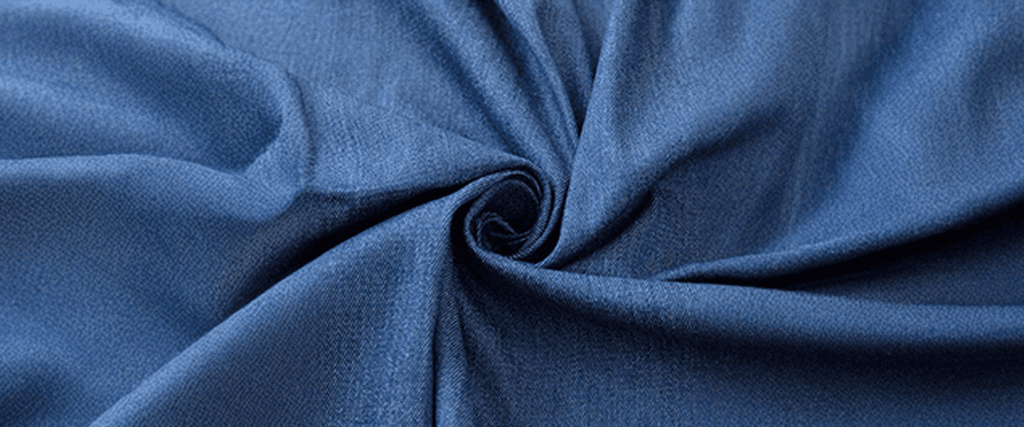
Quick answer: The best blanket material depends on how the product will be sold and used. Cotton and microfiber work well for everyday retail and hospitality programs, fleece is strong for budget and promotional blankets, wool and bamboo fit premium collections, and sherpa or faux fur are better when texture and visual appeal matter most.
Selecting blanket materials isn’t just about comfort—it’s about matching your product to your market. The right fabric choice affects everything from production costs to customer satisfaction, and understanding your options helps you build a textile line that actually sells.
Cotton: The Year-Round Favorite
Cotton blankets dominate the market for good reason. The natural fibers breathe well, regulate temperature, and get softer with every wash. Hotels love them because they withstand commercial laundering, while retail customers appreciate that familiar, comfortable feel.
You’ll find cotton blankets in different weights and weaves. Thermal cotton blankets use a waffle weave pattern that traps air for extra warmth without adding bulk. Flat-weave cotton works better for layering or warmer seasons. The material handles dyes beautifully, giving you endless color options for your brand.
Production costs run $15-35 wholesale for standard cotton blankets, while organic varieties push into the $25-50 range. Egyptian and Pima cotton command premium prices—$40-70 wholesale—but deliver exceptional softness that justifies higher retail pricing.
Fleece: Budget-Friendly and Popular
Fleece blankets practically sell themselves. The synthetic material feels incredibly soft, costs less to produce than natural fibers, and comes in virtually any color or pattern imaginable. That’s why you see fleece everywhere from college dorms to promotional giveaways.
Polar fleece and micro-fleece are the two main varieties. Polar fleece offers warmth and durability at competitive prices, while micro-fleece provides a lighter, more refined feel. Both resist pilling better than older fleece formulations, though quality varies significantly between manufacturers.
The material dries quickly and requires minimal care, making fleece blankets ideal for outdoor events, children’s products, and budget-conscious consumers. Wholesale costs typically range from $8-20 per blanket depending on weight and quality.
Wool: Premium Warmth and Durability
Wool blankets represent the luxury end of the market. The natural fibers regulate temperature remarkably well—keeping users warm in winter and cool in summer. Wool also naturally resists moisture, odors, and flame.
Merino wool offers the softest option, though it costs more. Traditional wool blankets work well for outdoor gear, emergency supplies, and heritage-style products where durability matters most.
Expect wholesale costs of $45-90 for standard wool blankets and $80-150 for premium merino varieties. The higher price point positions wool as a premium offering, perfect for brands targeting quality-conscious customers.
Sherpa and Faux Fur: Trending Textures
Sherpa blankets have exploded in popularity over the past few years. The plush, sheepskin-like texture appeals to consumers looking for that cozy, Instagram-worthy aesthetic. Most sherpa blankets feature a smooth reverse side, creating a versatile two-sided product.
Faux fur takes the luxury texture even further, mimicking everything from mink to fox fur without animal products. The substantial weight and plush feel communicate quality and value to customers.
Production costs for sherpa blankets run $18-35 wholesale, while faux fur varieties range from $25-50 depending on pile depth and quality. Both materials work especially well for throw blankets where visual appeal drives purchases.
Microfiber: Modern and Practical
Microfiber blankets offer a practical middle ground between natural and synthetic options. The ultra-fine fibers create an incredibly soft feel while remaining lightweight and easy to care for. The material resists wrinkles, dries quickly, and maintains its appearance through countless wash cycles.
Hotels and hospitals increasingly choose microfiber for its durability and low maintenance requirements. Wholesale pricing sits comfortably in the $12-25 range, making microfiber accessible for mid-range product lines.
Bamboo: The Eco-Luxury Option
Bamboo blankets appeal to environmentally conscious consumers willing to pay premium prices. The natural fibers create incredibly soft fabric with natural antibacterial properties. Bamboo regulates temperature well and wicks moisture effectively, making it comfortable across seasons.
The sustainable story behind bamboo resonates with modern consumers. Marketing bamboo products taps into growing demand for eco-friendly textiles without compromising on quality or comfort. Expect wholesale costs of $30-60 for bamboo blankets.
Material Comparison by Key Features
| Material | Warmth Level | Durability | Care Difficulty | Price Range (Wholesale) |
| Cotton | Medium | High | Easy | $15-35 |
| Fleece | Medium-High | Medium | Very Easy | $8-20 |
| Wool | High | Very High | Moderate | $45-90 |
| Sherpa | High | Medium | Easy | $18-35 |
| Microfiber | Medium | High | Very Easy | $12-25 |
| Bamboo | Medium | Medium | Moderate | $30-60 |
Best Blanket Materials by Business Use Case
| Business Goal | Best Material Options | Why It Works |
| Budget retail or promotional blankets | Fleece, microfiber | Lower production cost, easy care, strong color and print flexibility. |
| Hotel, spa, or hospitality programs | Cotton, microfiber | Durable, washable, practical for repeat use and commercial laundering. |
| Premium home goods collections | Wool, bamboo, premium cotton | Higher perceived value, stronger texture story, better fit for elevated retail pricing. |
| Gift, seasonal, or lifestyle products | Sherpa, faux fur, heavyweight fleece | Cozy hand feel and visual texture help the product stand out online and in stores. |
Choosing Materials for Different Markets
Your target customer determines which materials make sense for your product line. Budget-conscious consumers gravitate toward fleece options that deliver comfort without premium pricing. Mid-market customers appreciate microfiber and cotton for their balance of quality and value.
Luxury buyers expect natural fibers like wool, bamboo, or premium cotton varieties. Hotels and hospitality clients prioritize durability and easy care, making cotton and microfiber smart choices. Promotional buyers often select fleece for its printability, low cost, and universal appeal.
Blended Materials: Getting the Best of Both Worlds
Many successful blankets combine multiple materials to optimize performance and cost. Cotton-polyester blends offer natural fiber appeal with improved durability and easier care. Wool-acrylic combinations deliver warmth at more accessible price points.
Sherpa-fleece reversibles create premium products at moderate costs by pairing luxury texture on one side with practical fleece backing. Blends typically cost 10-20% more than single-material options but can justify higher retail prices through enhanced features.
Seasonal Considerations for Your Product Mix
Smart brands adjust their material mix throughout the year. Lightweight cotton and microfiber blankets sell better during spring and summer months when customers want breathable coverage without excess warmth.
Fall and winter demand shifts toward sherpa, wool, and heavyweight fleece. The cozy textures and substantial warmth align with seasonal shopping behavior and gift-giving occasions. Many successful brands maintain core cotton and microfiber lines year-round while rotating seasonal specialty items.
Working with Wholesale Suppliers for Better Material Sourcing
Choosing materials is one thing—sourcing them cost-effectively is another. Experienced wholesale suppliers like Fashion Atlas Group maintain relationships with fabric mills and manufacturers across multiple material categories. This access means better pricing, consistent quality, and flexibility in minimum order quantities.
Working with established suppliers also provides technical expertise. Different materials require specific production techniques, and knowing which factories excel at particular fabrics prevents costly quality issues. A good supplier guides you toward materials that match your quality standards and budget constraints.
Material availability fluctuates based on market conditions, seasonal demand, and manufacturing capacity. Wholesale partners track these trends and help you plan production around optimal timing and pricing.
Ready to Source Your Perfect Blanket Materials?
Understanding blanket materials is essential, but navigating suppliers, minimum orders, and quality standards requires expertise and industry connections. Whether you’re launching a new home goods line or expanding your textile offerings, the right manufacturing partner simplifies the entire process.
Fashion Atlas Group specializes in connecting brands with quality blanket manufacturers across all material categories. Our team helps you select the right fabrics for your market, negotiate competitive pricing, and manage private label production from concept to delivery.
Contact us today to discuss your blanket project. We’ll help you choose materials that match your brand positioning, work within your budget, and deliver the quality your customers expect. Let’s build your next successful product line together.
FAQ
What is the best blanket material for a private label brand?
For most private label programs, cotton, microfiber, fleece, and sherpa are practical starting points. The right choice depends on your target price, desired hand feel, packaging plans, and whether the product is positioned as everyday, promotional, or premium.
Which blanket material is easiest to source in bulk?
Fleece, microfiber, and cotton are usually easier to source in larger quantities because they are common commercial materials. Specialty options like bamboo, premium wool, or deep-pile faux fur may require more planning and supplier confirmation.
Can blankets be produced with custom labels and packaging?
Yes. Depending on the material and order structure, blankets can often be prepared with woven labels, hang tags, folded packaging, barcode labels, poly bags, or retail-ready presentation for stores and ecommerce fulfillment.
How do I compare fabric quality before production?
The safest approach is to review samples before placing a larger order. Check softness, weight, shedding, pilling, stitching, color consistency, washing behavior, and whether the material matches the final customer expectation.
What material works best for promotional blankets?
Fleece and microfiber are common choices for promotional blankets because they are cost-effective, lightweight, easy to decorate, and simple to ship. For higher-end corporate gifts, sherpa or cotton blends may create a stronger perceived value.
Can Fashion Atlas Group help with blanket sourcing and production?
Yes. Our team can help compare material options, source suppliers, review samples, organize quality control, and coordinate production or delivery depending on the needs of your blanket or textile product line.
Still have questions?
If you need help with materials, sourcing, MOQ, packaging, or production, don’t hesitate to book a short call with Fashion Atlas Group. We’ll help you understand the best next step for your product.