Developing a custom jersey for a fixed event deadline required more than simply approving a design and sending it to production. The client wanted a distinctive jersey with multiple branded elements, contrasting details, and a specific visual style, while the production timeline left little room for delays. As the project progressed, several design decisions changed during sampling. The challenge was to refine the garment without losing momentum or pushing the final order off schedule.
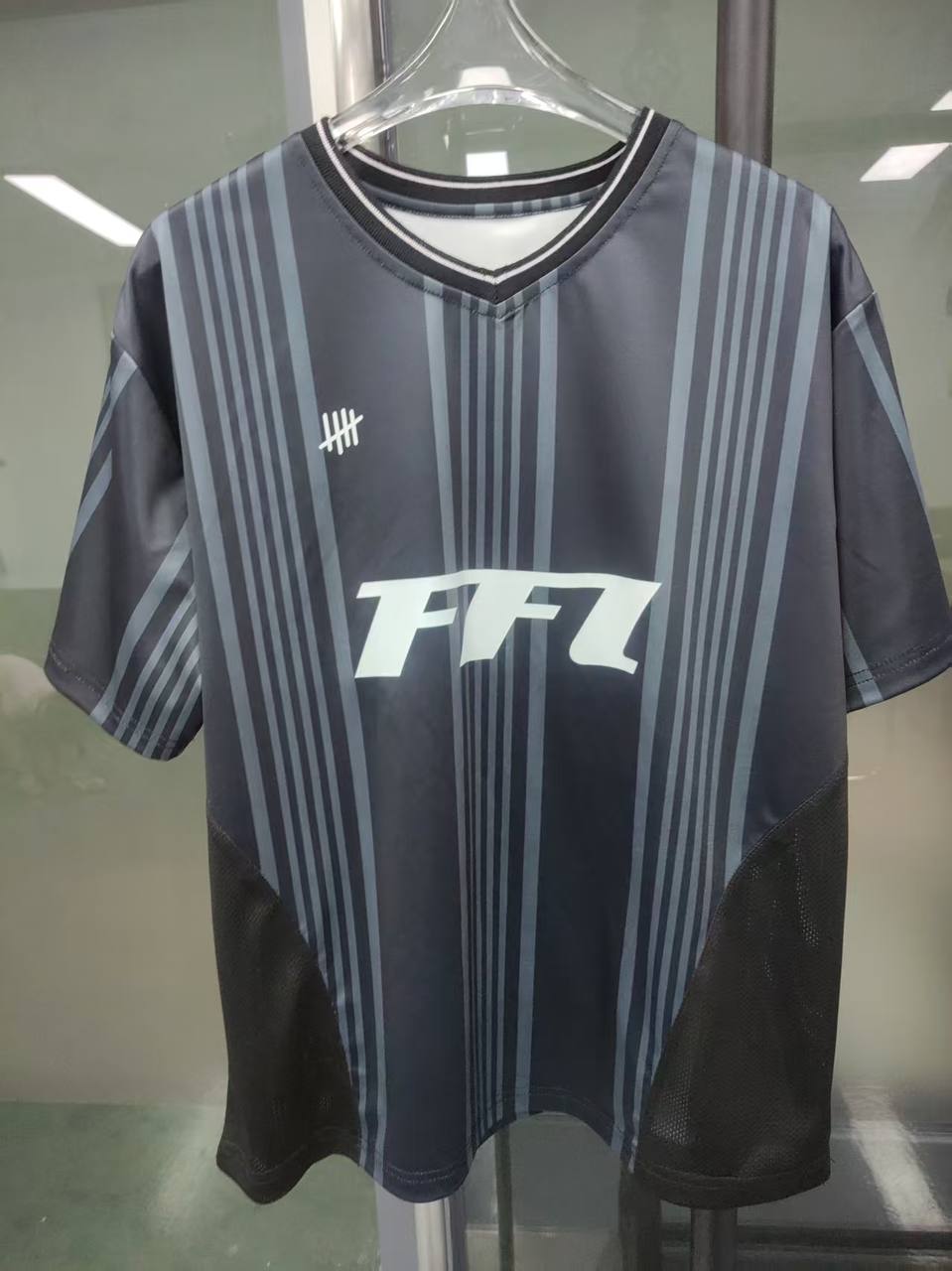
The project began with fabric sourcing and sample development. Two factories prepared versions of the jersey, allowing the team to compare different production approaches before moving forward.
<h2>Step 2 — Refining the Branding and Second Sample</h2>
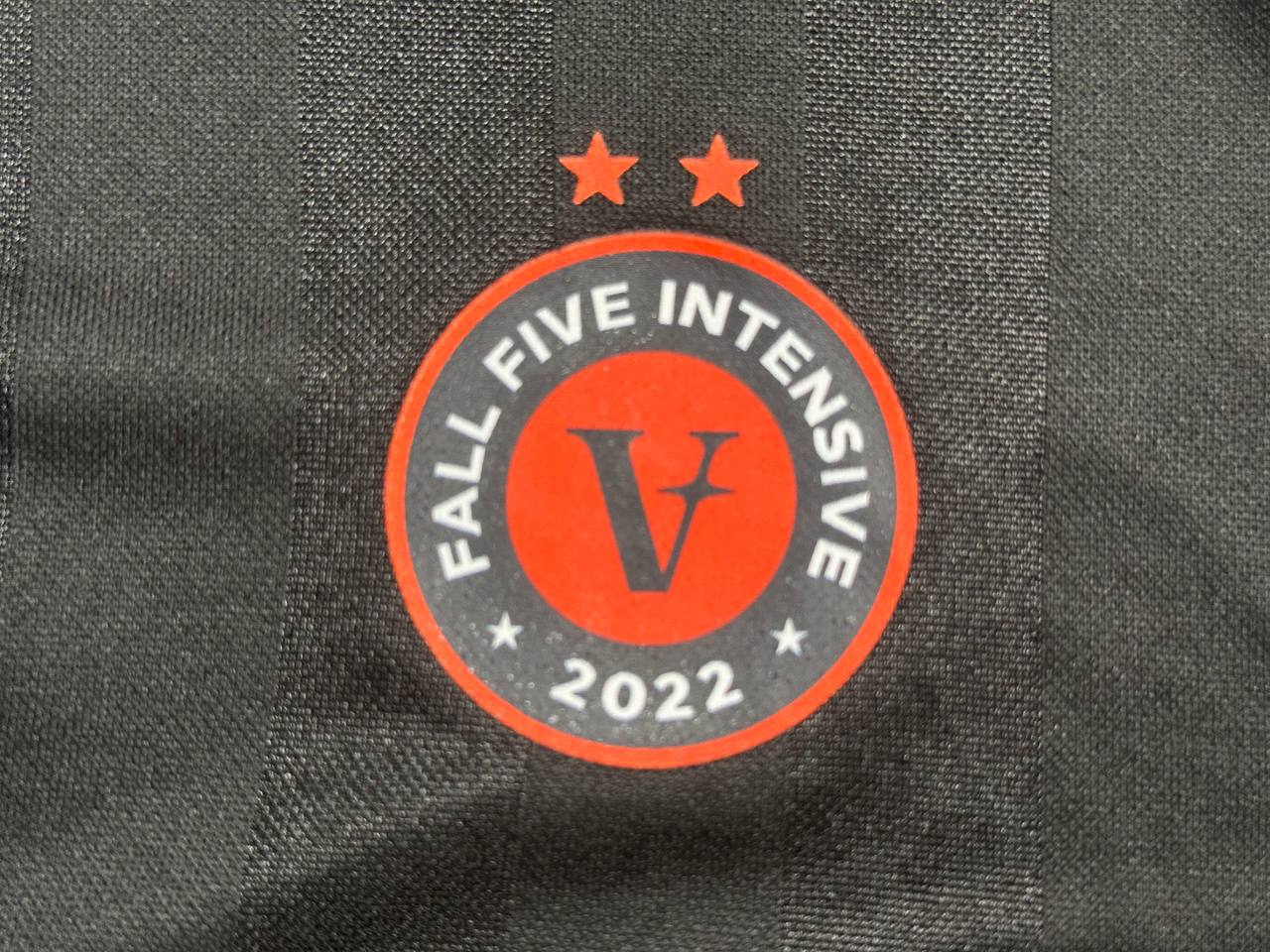
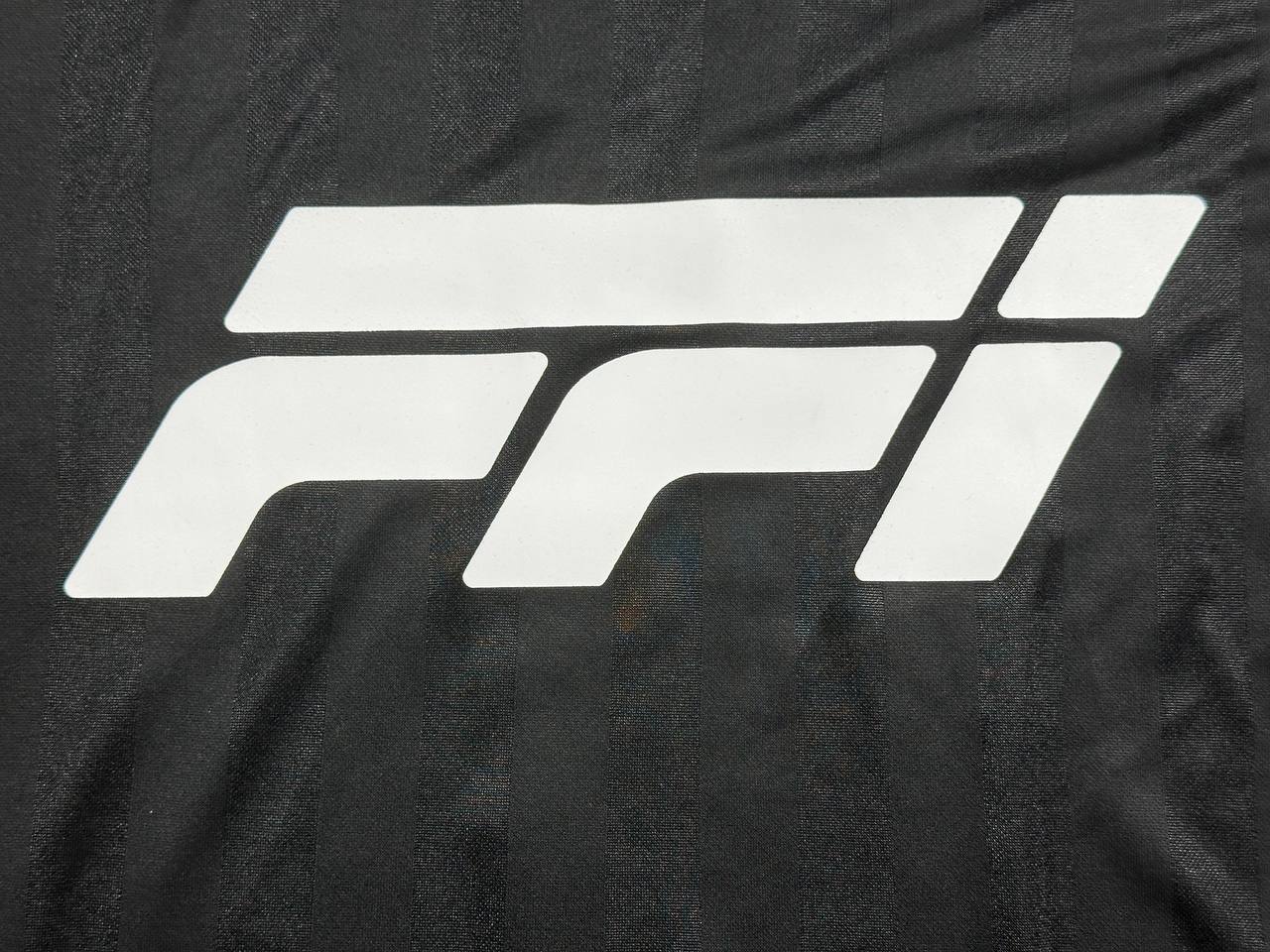
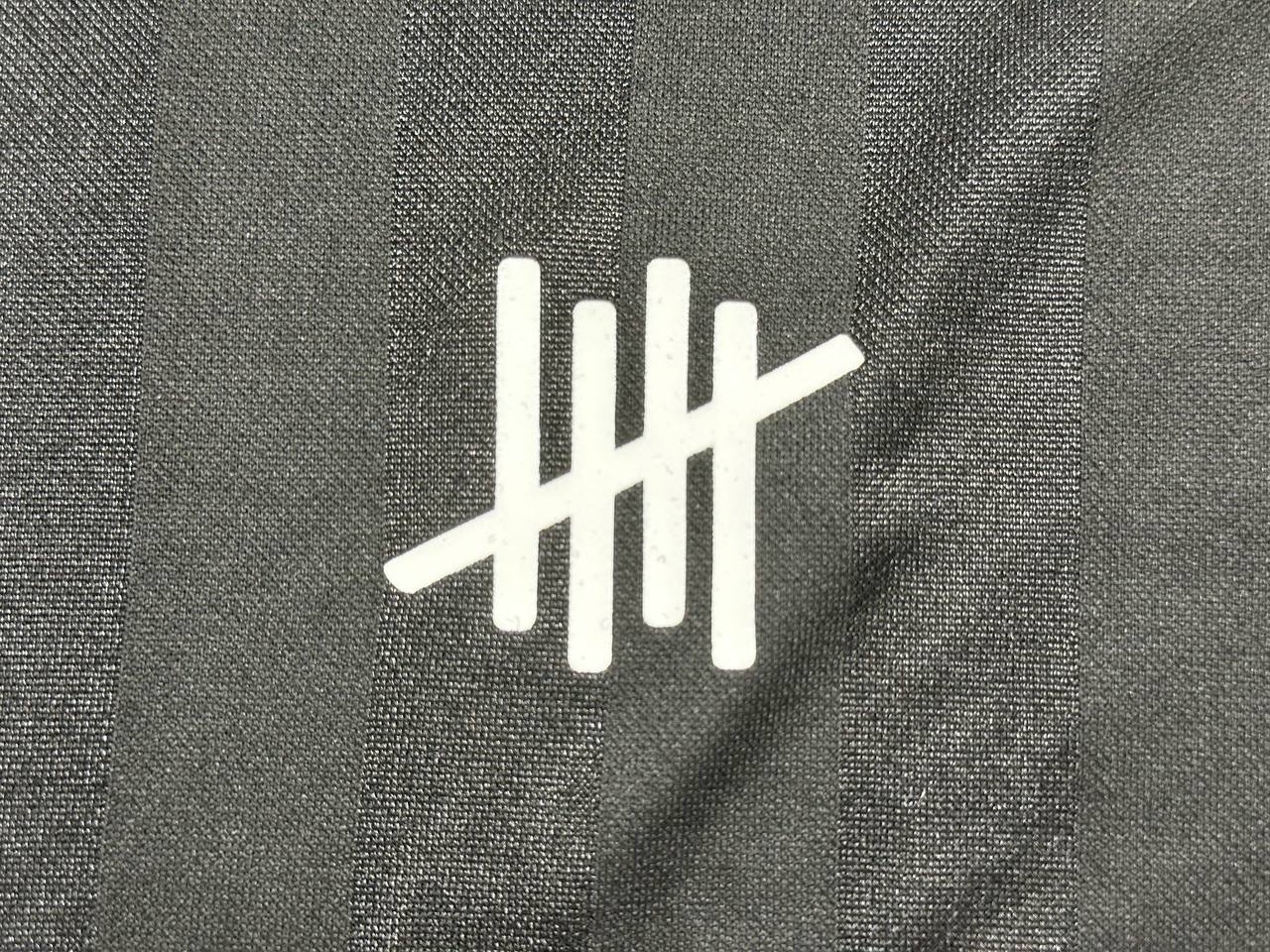
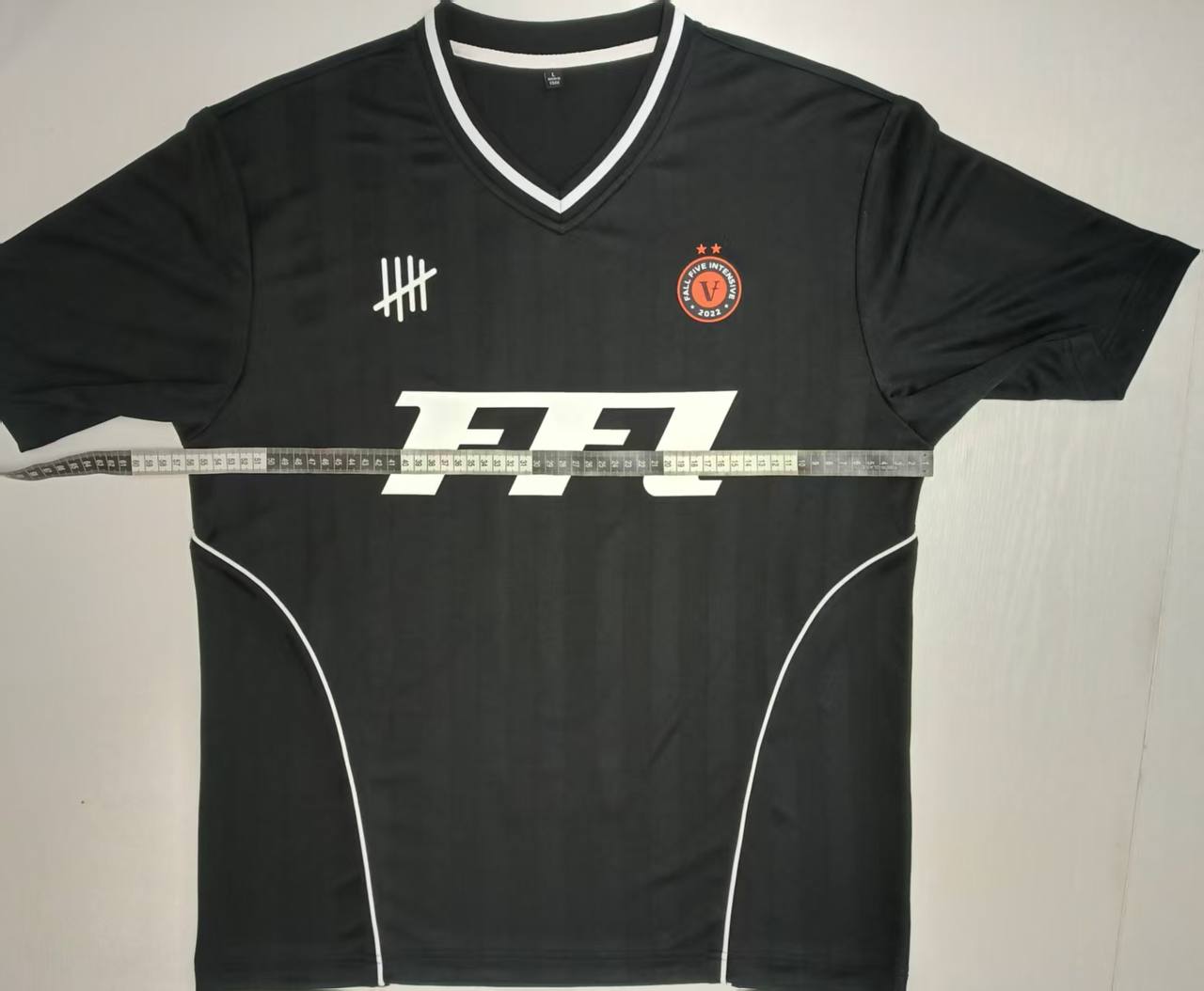
The next stage focused on the areas that became clear only after the client saw the physical sample. Several logos needed corrected artwork, while others had to be reduced slightly in size to create better balance across the jersey.
Instead of moving straight into bulk production, the team collected the revisions into one clear set of instructions and developed a second sample.
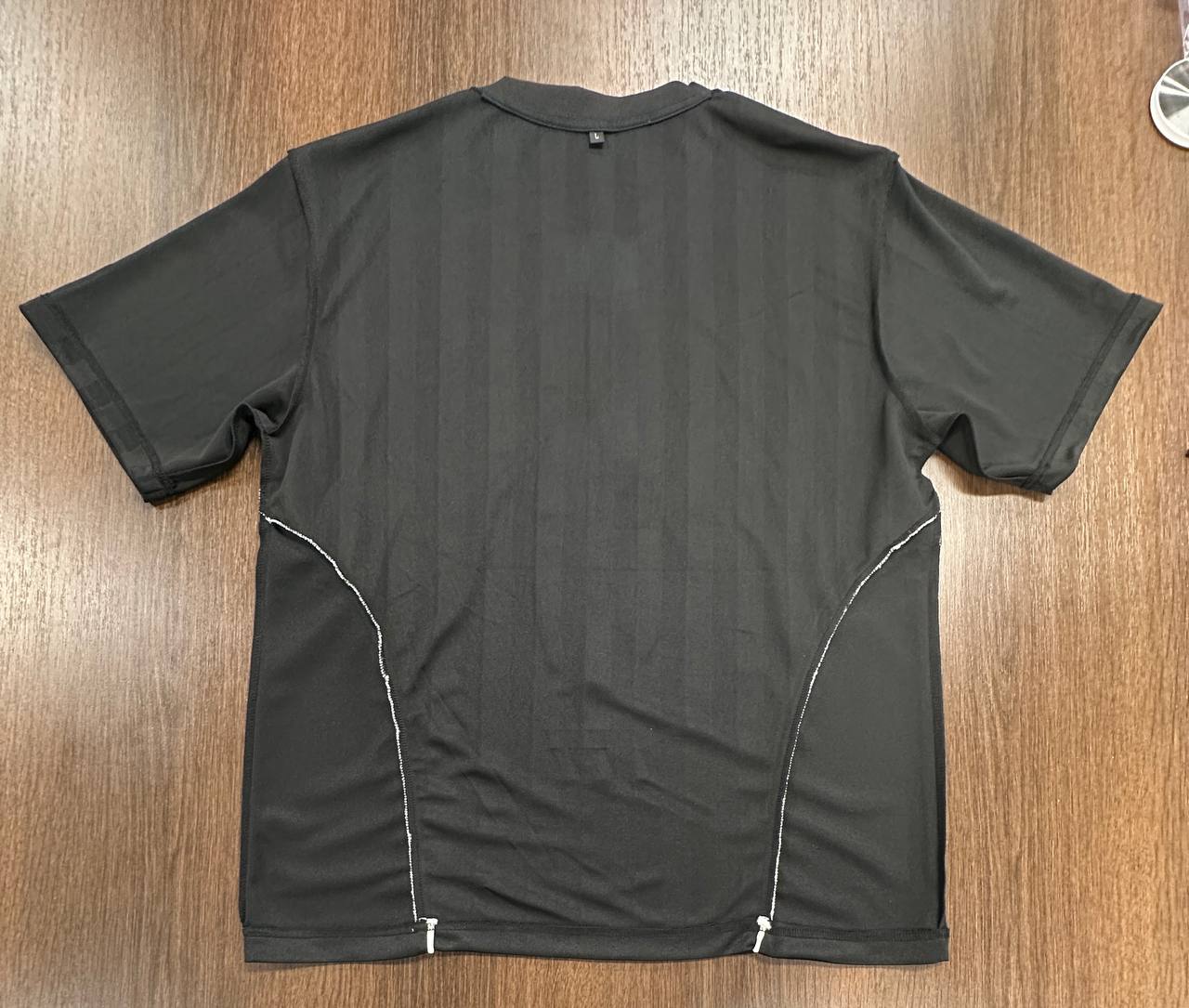
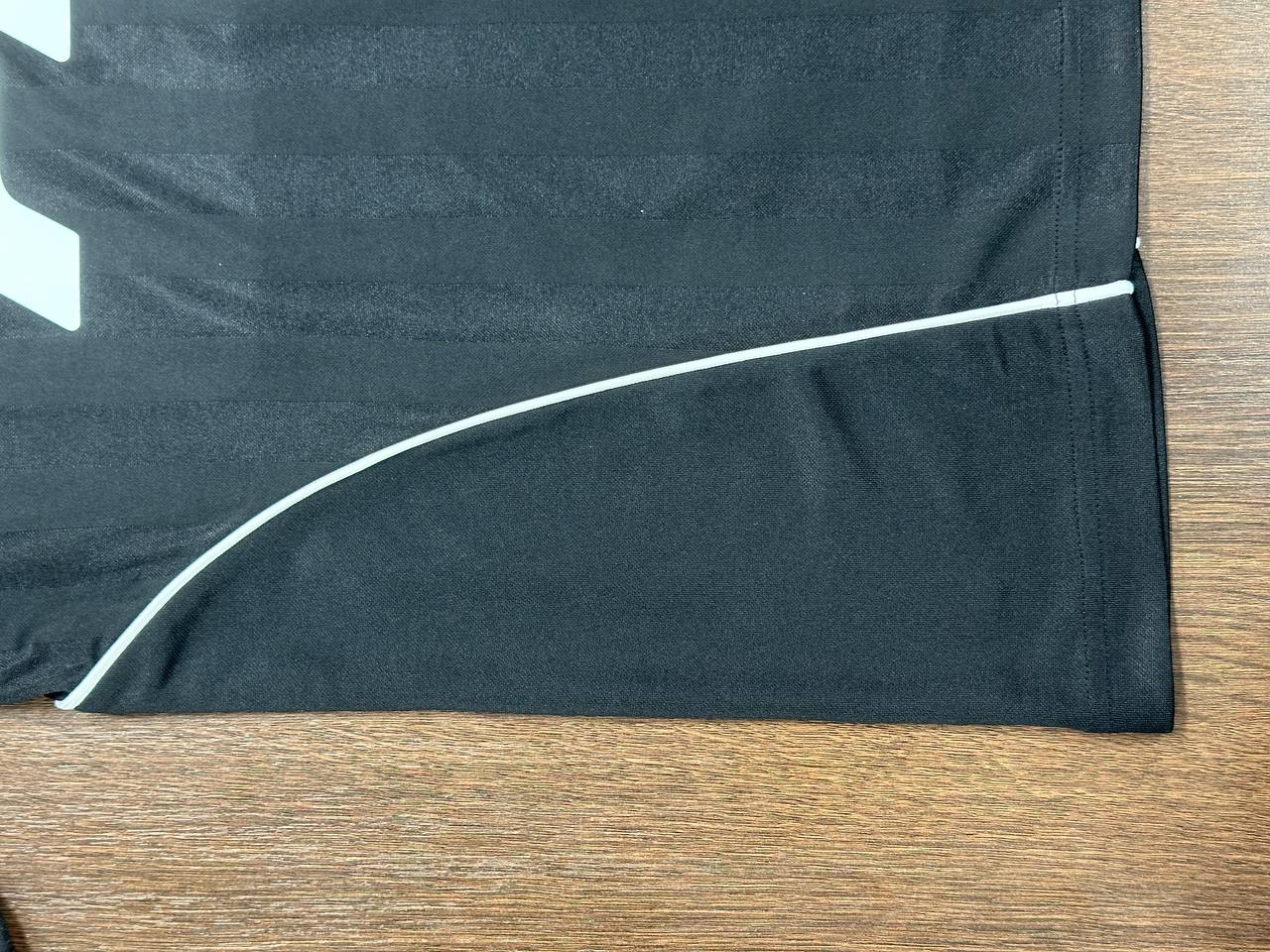
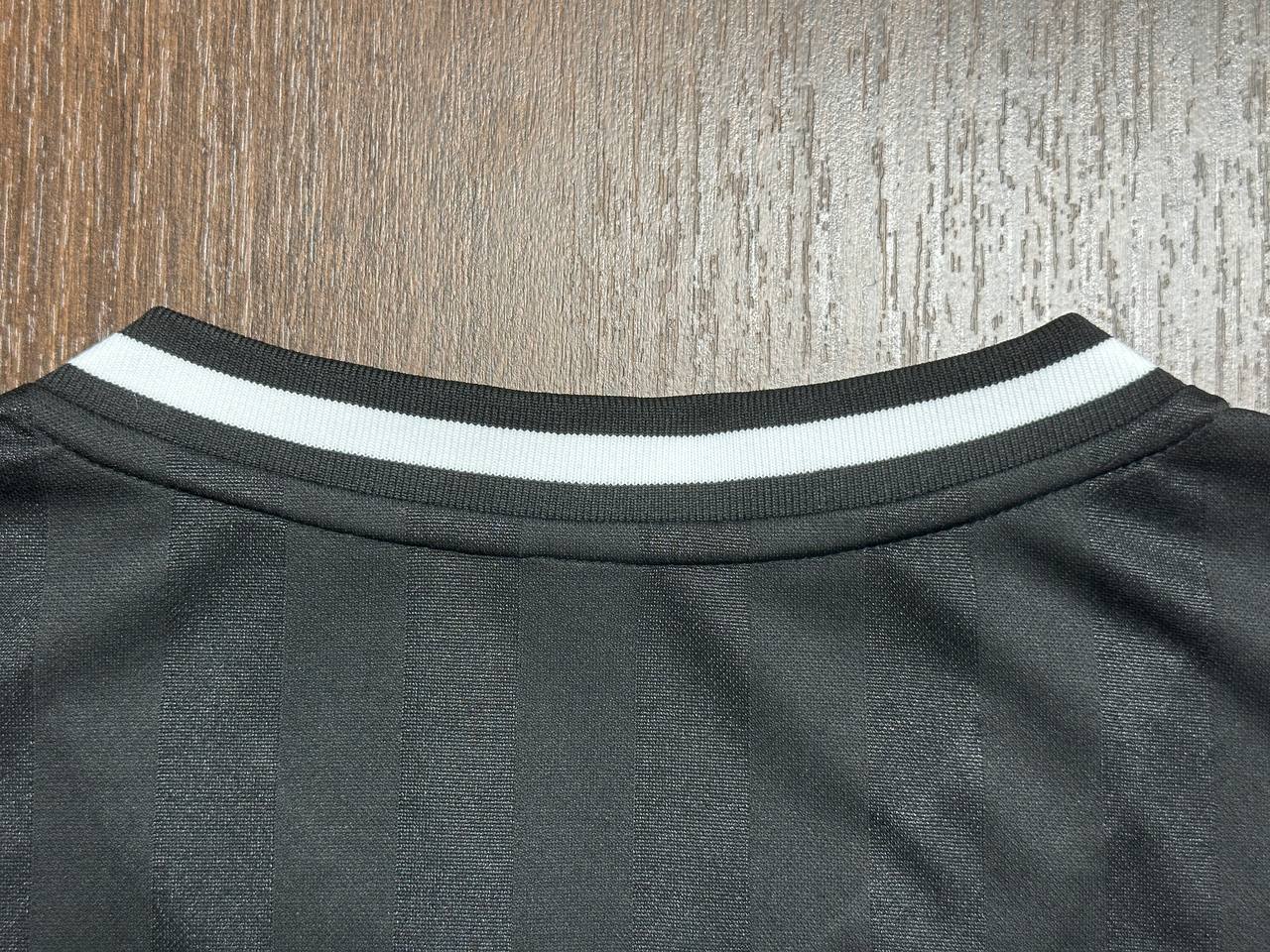
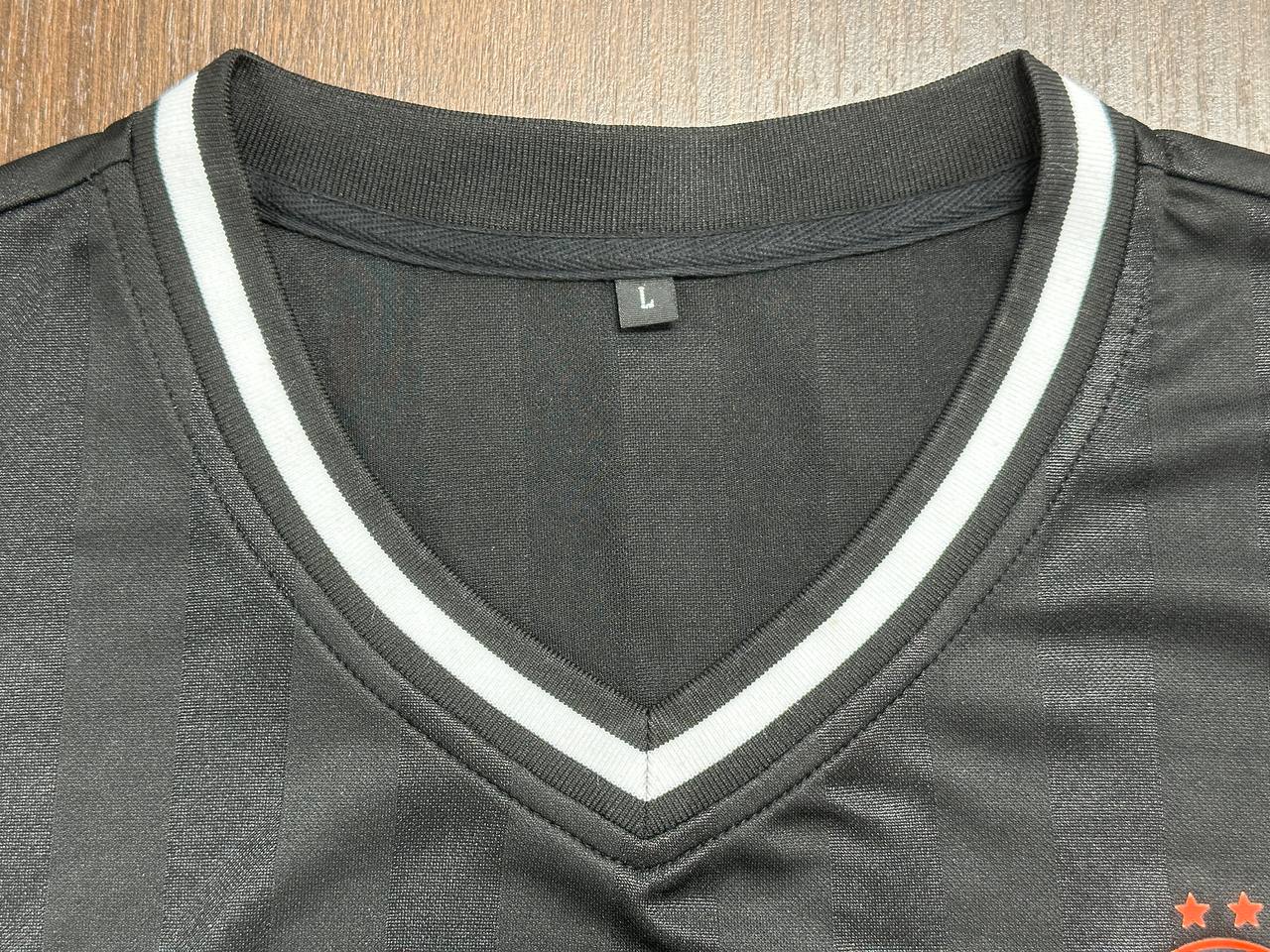
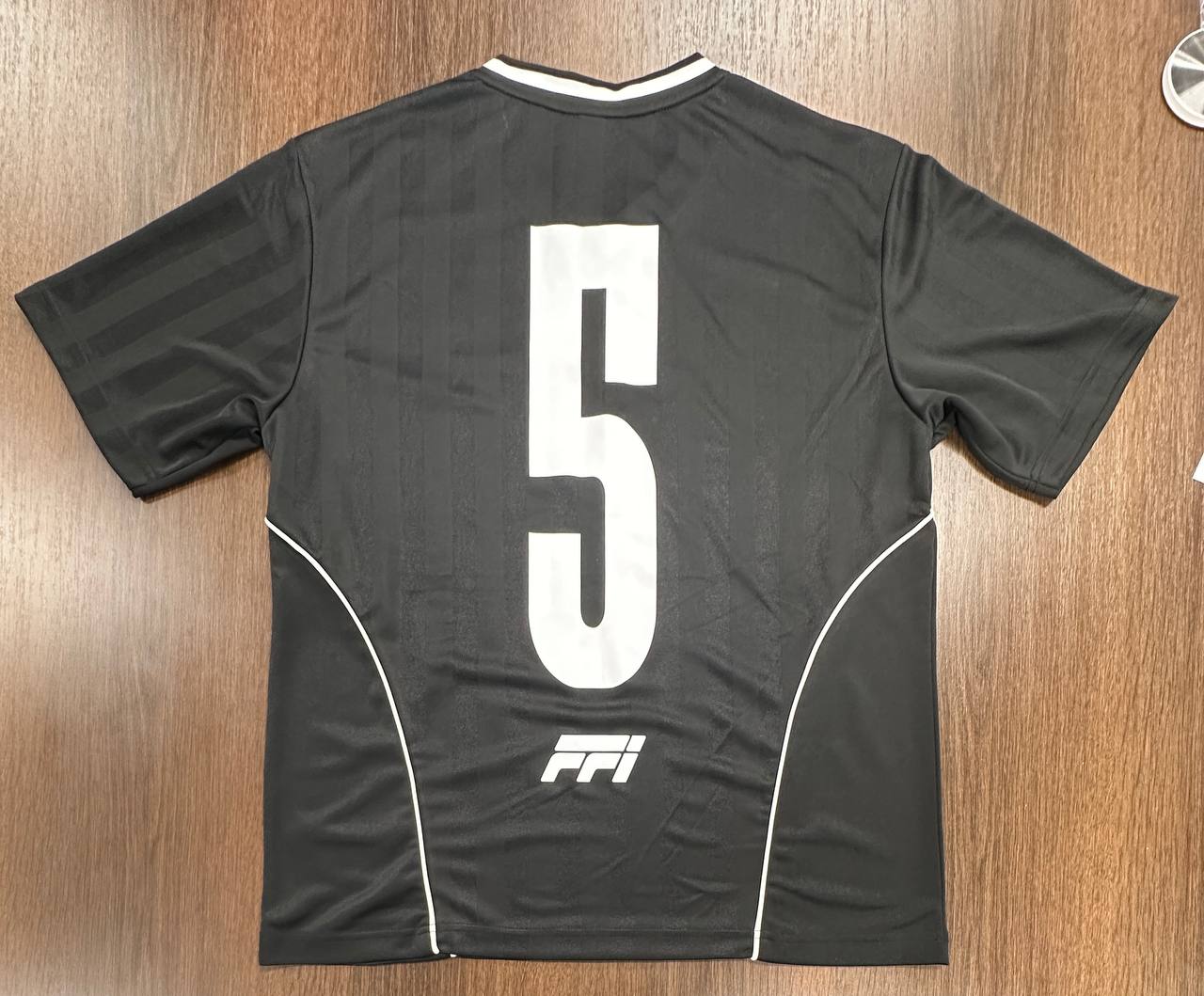
Updated artwork was provided to the factory, and the revised version incorporated the corrected branding and requested design changes. The new sample was then photographed and filmed so the client could review the fabric, construction, proportions, and logo placement before giving final approval.
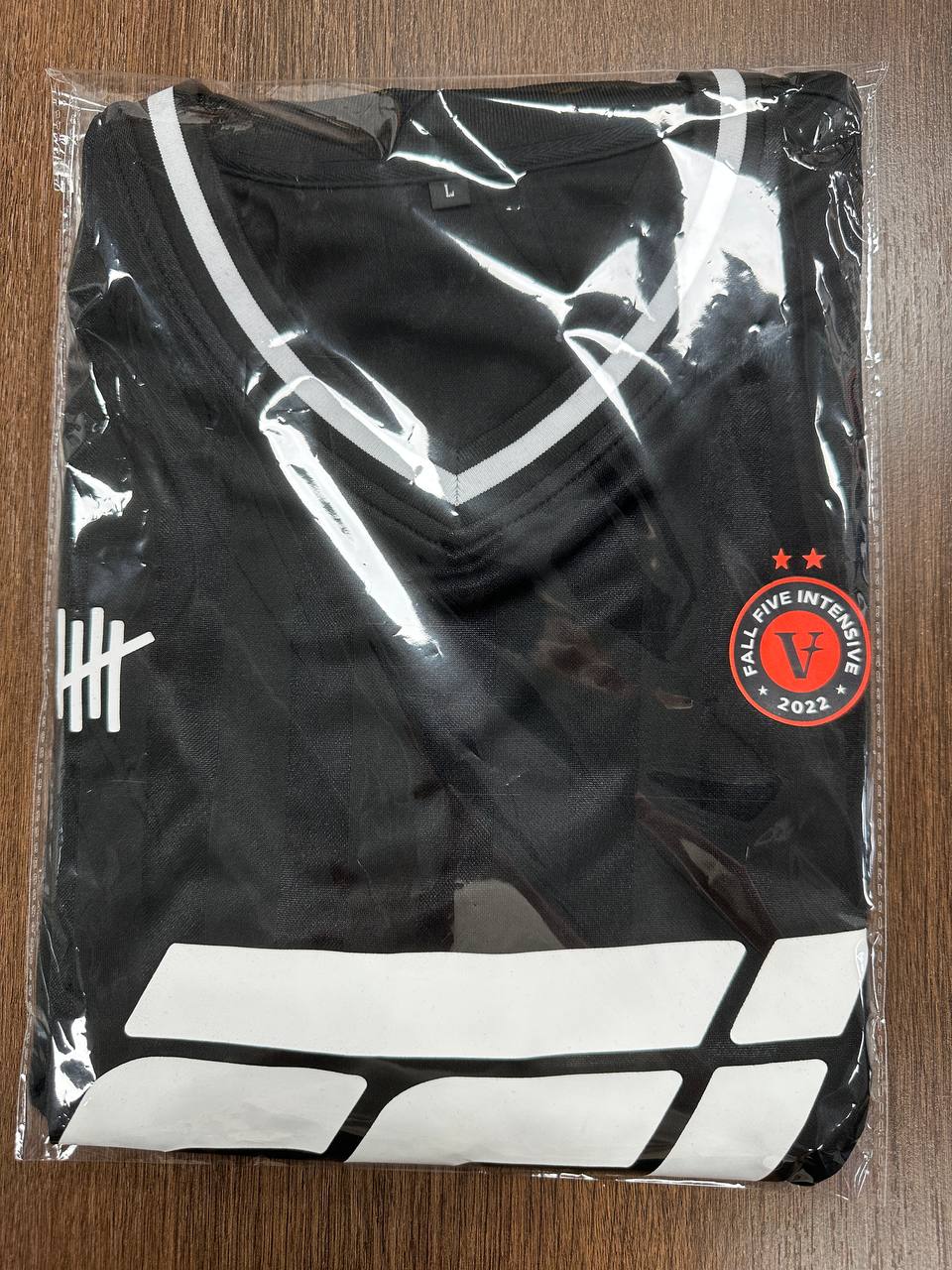
Further production details were confirmed at the same time, including black trim, size identification, standard packaging, and the size range from XS to XL.
This second sampling round helped resolve the remaining details before the project moved into full production.
Get a QuoteAfter reviewing the revised sample, the client approved the jersey and confirmed the final order.
The production run consisted of 115 pieces across five sizes:
Once the size chart was approved, the factory purchased the fabric and began cutting. Production then moved forward under a tight schedule, with the order intended for an upcoming client event.
When the batch was completed, the production team carried out a final inspection, checking both quality and sizing before the jerseys were prepared for shipment.
The project demonstrates why sampling is especially important when custom apparel includes multiple branding elements and evolving design details. By using a second sample, confirming the artwork, and reviewing the finished garments before shipment, the team was able to turn a changing concept into a completed 115-piece custom jersey order without skipping the key approval stages.